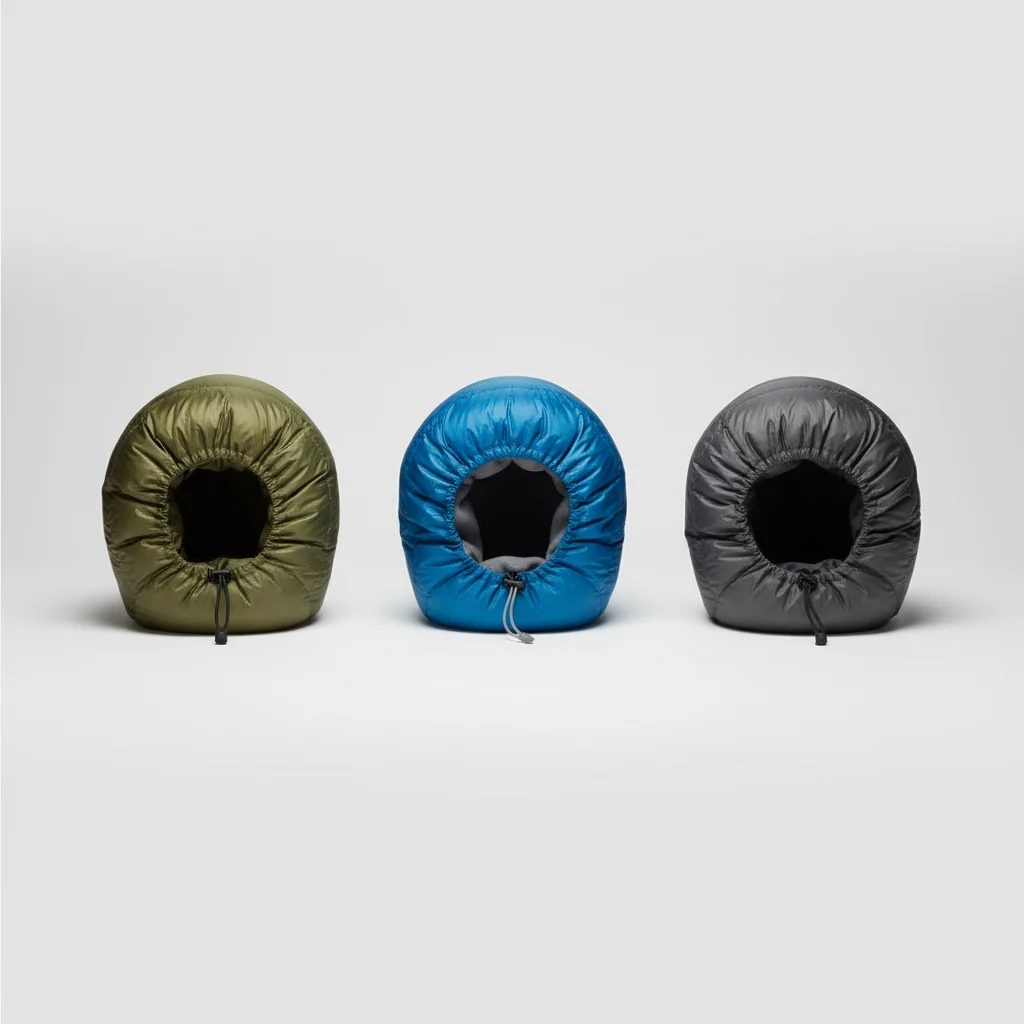
Sleeping bag hoods are designed to significantly enhance warmth by trapping heat around your head and neck, areas where a substantial amount of body heat can be lost. While often overlooked, a well-designed hood can contribute up to 30% of a sleeping bag’s overall thermal efficiency, especially in colder conditions.
The Science Behind Sleeping Bag Hoods and Heat Retention
The human head is a major radiator of heat, accounting for a significant percentage of heat loss, particularly when exposed. Sleeping bag hoods work by creating an insulated chamber around the head and neck, minimizing this heat escape. They are typically filled with the same insulation material as the rest of the bag, whether down or synthetic, and are often designed to cinch down, further sealing in warmth and preventing drafts. This localized insulation is crucial for maintaining core body temperature throughout the night.
Different Types of Sleeping Bag Hood Designs
There are generally three main types of sleeping bag hood designs, each offering varying levels of warmth and comfort. The most common is the contoured hood, which is shaped to fit snugly around the head and often features a drawcord for adjustment. Mummy-style hoods are an extension of the bag’s narrow design, providing maximum thermal efficiency by closely encasing the head. Finally, some rectangular bags feature a simpler, flatter hood that offers less insulation but can still provide some warmth and a place to rest your head. The choice depends on the intended use and desired warmth level.
- Contoured Hood: Shaped for a snug fit, often with a drawcord.
- Mummy Hood: Integrated into narrow bags for maximum thermal efficiency.
- Flat Hood: Simpler design, less insulation, found on some rectangular bags.
- Adjustable Hood: Features drawcords or toggles for a customized fit.
- Integrated Pillow Sleeve: Some hoods include a pocket for a pillow.
When is a Sleeping Bag Hood Essential?
|
Our Picks for the Best Sleeping Bag in 2026
As an Amazon Associate I earn from qualifying purchases.
|
||
| Num | Product | Action |
|---|---|---|
| 1 | Cold Weather Sleeping Bag 100% Cotton Flannel XXL for Adults Big and Tall,Free Compression Sack |

|
| 2 | Coleman Heritage Big & Tall 10°F Flannel Sleeping Bag, XL Sleeping Bag Fits Adults up to 6ft 7in Tall, Machine Washable, Great for Camping, Hunting, Guests, & More |
|
| 3 | REDCAMP Cotton Flannel Sleeping Bag for Camping Backpacking, Adults Cold Weather Envelope Sleeping Bags with 2/3/4/6lbs Filling |
|
| 4 | MalloMe Sleeping Bags for Adults Cold Weather & Warm - Backpacking Camping Sleeping Bag for Kids 10-12, Girls, Boys - Lightweight Compact Camping Essentials Gear Accessories Hiking Sleep Must Haves |
|
| 5 | Coleman Brazos 20/30°F Adult Cool-Weather Sleeping Bag with No-Snag Zipper & Stuff Sack, Machine Washable, Great for Camping, Traveling, Guests, & More |
|
| 6 | oaskys Camping Sleeping Bag - 3 Season Warm & Cool Weather - Summer Spring Fall Lightweight Waterproof for Adults Kids - Camping Gear Equipment, Traveling, and Outdoors |
|
| 7 | 0 Degree Winter Sleeping Bags for Adults Camping (450GSM) - Temp Range (5F–32F) Portable Waterproof Compression Sack- Camping Sleeping Bags for Big and Tall in Env Hoodie: Backpacking Hiking 4 Season |
|
| 8 | Coleman Brazos 20/30°F Adult Cool-Weather Sleeping Bag with No-Snag Zipper & Stuff Sack, Machine Washable, Great for Camping, Traveling, Guests, & More |
|
| 9 | MalloMe Sleeping Bags for Adults Cold Weather & Warm - Backpacking Camping Sleeping Bag for Kids 10-12, Girls, Boys - Lightweight Compact Camping Essentials Gear Accessories Hiking Sleep Must Haves |
|
| 10 | BubblePanda Rayon Made from Bamboo Sleep Sack 6-12 Months 1.0 Tog Soft Toddler Sleeping Sack for Babies 2-Way Zipper Baby Wearable Blanket |
|
A sleeping bag hood becomes essential in colder temperatures, typically below 40°F (4°C), or in windy conditions where drafts can quickly dissipate warmth. For backpackers and campers venturing into alpine environments or shoulder seasons, a well-insulated hood is not just a comfort feature but a critical component for safety and warmth. Even in milder conditions, a hood can provide an extra layer of comfort and help block out light and sound, contributing to a more restful sleep. Consider the temperature rating of your sleeping bag and your typical camping environments when assessing the necessity of a hood.
Optimizing Your Sleeping Bag Hood for Maximum Warmth
To get the most out of your sleeping bag hood, ensure it’s properly adjusted. Cinch the drawcord just enough to create a snug seal around your face without feeling restrictive. Avoid over-tightening, which can be uncomfortable and reduce blood flow. Wearing a warm hat, such as a beanie, inside the hood can further enhance warmth, especially if the hood itself isn’t heavily insulated. Additionally, ensure your sleeping pad insulates your head from the cold ground, as heat can be lost through compression of the hood’s insulation against a cold surface.
Maintaining Your Sleeping Bag Hood’s Loft and Performance
The insulation in your sleeping bag hood, like the rest of the bag, can lose its loft over time due to compression and moisture. To maintain its performance, always store your sleeping bag uncompressed in a large mesh sack or hanging freely. When washing your sleeping bag, pay attention to the hood area to ensure it’s thoroughly cleaned and dried, as dirt and oils can degrade insulation. Fluffing the hood regularly, especially before use, helps redistribute the fill and restore its insulating properties. Proper care ensures your hood continues to provide optimal warmth for many seasons.
Get our weekly buyer guide
Practical specs, not advice. Unsubscribe anytime.
