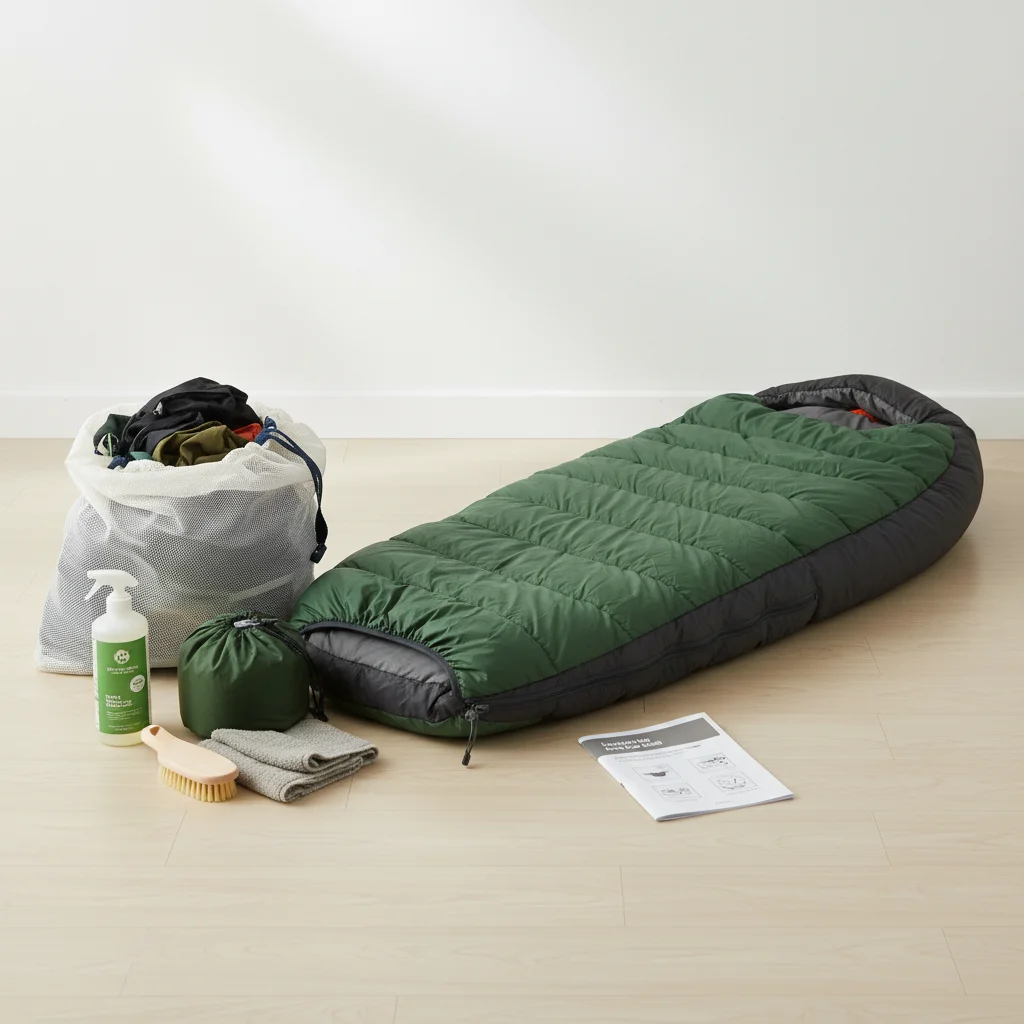
Understanding how often to wash your sleeping bag is crucial for its longevity and performance. Generally, you should aim to wash your sleeping bag every 20-30 nights of use, or at least once a year if used regularly. This frequency helps remove accumulated dirt, oils, and sweat that can compromise the bag’s insulation and overall warmth.
Why Regular Washing Matters for Your Sleeping Bag
Over time, body oils, sweat, and dirt can build up in your sleeping bag’s fill, whether it’s down or synthetic. This accumulation causes the insulation to clump and lose its loft, which is essential for trapping warm air. A loss of loft directly translates to a colder sleeping experience, even if the temperature rating suggests otherwise. Regular cleaning restores the insulation’s ability to expand, ensuring you stay warm and comfortable on your adventures.
Identifying When Your Sleeping Bag Needs a Wash
Beyond the general guideline, there are clear signs your sleeping bag is due for a wash. If you notice a noticeable decrease in its warmth, even in conditions where it previously performed well, it’s likely that the insulation is compressed and dirty. A greasy or matted feel to the fabric, especially around the neck and footbox, is another strong indicator. Furthermore, any unpleasant odors emanating from the bag are a definite sign that it’s time for a thorough cleaning.
Preparing Your Sleeping Bag for Washing
|
Our Picks for the Best Sleeping Bag in 2026
As an Amazon Associate I earn from qualifying purchases.
|
||
| Num | Product | Action |
|---|---|---|
| 1 | Coleman Brazos 20/30°F Adult Cool-Weather Sleeping Bag with No-Snag Zipper & Stuff Sack, Machine Washable, Great for Camping, Traveling, Guests, & More |

|
| 2 | MalloMe Sleeping Bags for Adults Cold Weather & Warm - Backpacking Camping Sleeping Bag for Kids 10-12, Girls, Boys - Lightweight Compact Camping Essentials Gear Accessories Hiking Sleep Must Haves |
|
| 3 | BubblePanda Rayon Made from Bamboo Sleep Sack 6-12 Months 1.0 Tog Soft Toddler Sleeping Sack for Babies 2-Way Zipper Baby Wearable Blanket |
|
| 4 | oaskys Camping Sleeping Bag - 3 Season Warm & Cool Weather - Summer Spring Fall Lightweight Waterproof for Adults Kids - Camping Gear Equipment, Traveling, and Outdoors |
|
| 5 | Coleman Heritage Big & Tall 10°F Flannel Sleeping Bag, XL Sleeping Bag Fits Adults up to 6ft 7in Tall, Machine Washable, Great for Camping, Hunting, Guests, & More |
|
| 6 | REDCAMP Cotton Flannel Sleeping Bag for Camping Backpacking, Adults Cold Weather Envelope Sleeping Bags with 2/3/4/6lbs Filling |
|
| 7 | Cold Weather Sleeping Bag 100% Cotton Flannel XXL for Adults Big and Tall,Free Compression Sack |
|
| 8 | MalloMe Sleeping Bags for Adults Cold Weather & Warm - Backpacking Camping Sleeping Bag for Kids 10-12, Girls, Boys - Lightweight Compact Camping Essentials Gear Accessories Hiking Sleep Must Haves |
|
| 9 | 0 Degree Winter Sleeping Bags for Adults Camping (450GSM) - Temp Range (5F–32F) Portable Waterproof Compression Sack- Camping Sleeping Bags for Big and Tall in Env Hoodie: Backpacking Hiking 4 Season |
|
| 10 | Coleman Brazos 20/30°F Adult Cool-Weather Sleeping Bag with No-Snag Zipper & Stuff Sack, Machine Washable, Great for Camping, Traveling, Guests, & More |
|
Before you begin the washing process, it’s important to prepare your sleeping bag properly. First, zip up all zippers completely, including any internal pockets. Loosen any drawcords. If there are any visible stains, pre-treat them gently with a small amount of mild soap and a soft cloth. For down bags, ensure there are no tears or holes, as wet down can be difficult to manage if it escapes the baffles. Always check the care label on your specific sleeping bag for any manufacturer-specific instructions.
Washing Methods: Machine vs. Hand Washing
You have two primary options for washing your sleeping bag: machine washing or hand washing. For machine washing, use a large-capacity front-loading washing machine without an agitator. Top-loaders with agitators can damage the bag. Use a technical cleaner specifically designed for down or synthetic insulation, depending on your bag’s fill. For hand washing, fill a bathtub with lukewarm water and the appropriate cleaner. Submerge the bag and gently knead it to work the cleaner through the insulation. This method is often preferred for delicate or older bags.
- Use a technical cleaner, not regular detergent.
- Avoid fabric softeners, as they can damage insulation.
- Rinse thoroughly until all soap residue is gone.
- Never wring a sleeping bag; gently press out water.
- Consider adding tennis balls to the dryer for down bags.
Drying Your Sleeping Bag Safely
Drying is perhaps the most critical step in sleeping bag care. For both down and synthetic bags, low heat is essential to prevent damage to the fabric and insulation. Tumble dry on a low or no-heat setting. For down bags, adding a few clean tennis balls or dryer balls to the dryer can help break up clumps of down and restore loft. This process can take several hours, so be patient. Ensure the bag is completely dry before storing it to prevent mildew and further damage to the insulation.If you’re unsure about machine drying, air drying in a well-ventilated area, away from direct sunlight, is a safe alternative, though it will take significantly longer.
Get our weekly buyer guide
Practical specs, not advice. Unsubscribe anytime.

I’ve always been hesitant to wash my expensive sleeping bags, fearing I’d ruin them. But the explanation about how regular cleaning restores the insulation’s ability to expand convinced me. I followed the instructions for my high-end down bag, and it came out perfectly. It’s like having a brand new bag again, and I feel much warmer.
This was super helpful! I always wondered if I was washing my sleeping bag too often or not enough. The guideline of every 20-30 nights of use makes a lot of sense. My synthetic bag was starting to feel a bit flat, and a good wash really brought back its loft. I just wish there were more specific tips for drying without a large capacity dryer.
I used to just air out my sleeping bag, but after reading about how body oils and sweat can really mess with the insulation, I decided to give it a proper wash. Following the advice here, I washed my down bag after about 25 nights of use, and it feels so much loftier now. Definitely noticed a difference in warmth on my last backpacking trip!
I appreciate the info on how dirt and oils can make your bag colder, even if the temperature rating says otherwise. I tried washing my older sleeping bag, but it didn’t quite restore the loft as much as I’d hoped. Maybe it was just too far gone. Still, good to know for my newer bags.