Choosing between down and synthetic sleeping bags depends on specific needs, with down excelling in cold, dry conditions due to its superior warmth-to-weight ratio and compressibility, while synthetic bags offer reliable warmth even when wet and are more affordable. Down insulation, sourced from waterfowl, provides exceptional warmth for minimal weight and packs down very small, making it ideal for ultralight backpacking and mountaineering. In contrast, synthetic insulation, typically made from polyester fibers, retains warmth even when damp, is generally less expensive, and easier to care for, making it suitable for wet environments, car camping, or budget-conscious adventurers.
Understanding Sleeping Bag Insulation: Down vs. Synthetic
Sleeping bag insulation traps warm air around your body, creating a barrier against the cold. Natural down, from geese and ducks, offers an exceptional warmth-to-weight ratio. Synthetic fibers, developed later, mimic down’s insulating properties and provide specific advantages, especially in challenging conditions. Both types have evolved, with modern innovations like hydrophobic down and advanced synthetic blends making the choice more nuanced.
Down Sleeping Bags: The Featherlight Powerhouse
Down insulation is celebrated for its natural ability to loft and trap an impressive amount of warm air, making it a favorite among backpackers and mountaineers who prioritize minimal weight and pack size. A high-quality down sleeping bag can be a long-term investment, potentially lasting decades with diligent care.
Advantages of Down Insulation
Down offers a superior warmth-to-weight ratio, providing more warmth for less bulk. This makes down bags incredibly light and comfortable, reducing the load on long treks. Its exceptional compressibility allows down sleeping bags to pack down into remarkably small stuff sacks, freeing up crucial space. When properly maintained, down is highly durable and long-lasting, capable of retaining its loft and insulating properties for many years.
Disadvantages of Down Insulation
The primary drawback of down is its vulnerability to moisture. When wet, down clumps, losing its loft and almost all insulating power, and takes significant time to dry. Down sleeping bags are generally more expensive than synthetic counterparts due to labor-intensive sourcing and processing. Ethical concerns regarding animal welfare have led to standards like the Responsible Down Standard (RDS), which consumers should consider.
Key Considerations for Down
- Fill Power Explained: Fill power (FP) is a crucial metric for down, indicating the volume one ounce of down occupies when fully lofted. Higher fill power numbers (e.g., 600, 800, 900+) signify higher quality down that traps more air, resulting in greater warmth, lighter weight, and better compressibility.
- Hydrophobic Down Treatments: Many modern down bags feature hydrophobic down, treated with a durable water repellent (DWR) polymer to resist moisture absorption, dry faster, and retain more loft when damp. While not waterproof, this treatment significantly mitigates down’s traditional weakness in humid conditions.
- Proper Care and Storage: To maximize longevity, down bags require specialized care, including gentle washing with down-specific soaps and thorough drying on low heat, often with dryer balls to restore loft. Storing a down bag uncompressed in a large mesh sack is essential to prevent permanent damage to the insulation.
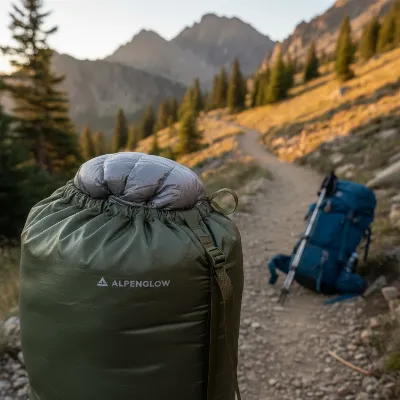 Lightweight down sleeping bag compressed in a stuff sack for backpacking
Synthetic Sleeping Bags: The Resilient Performer
Synthetic insulation, typically made from polyester fibers, provides a robust and reliable alternative to down. These man-made fibers are engineered to mimic down’s structure, creating air-trapping pockets that provide warmth. Synthetic bags have made significant strides in performance, with various types designed for different attributes.
Advantages of Synthetic Insulation
|
Our Picks for the Best Sleeping Bag in 2026
As an Amazon Associate I earn from qualifying purchases.
|
||
| Num | Product | Action |
|---|---|---|
| 1 | REDCAMP Cotton Flannel Sleeping Bag for Camping Backpacking, Adults Cold Weather Envelope Sleeping Bags with 2/3/4/6lbs Filling |

|
| 2 | MalloMe Sleeping Bags for Adults Cold Weather & Warm - Backpacking Camping Sleeping Bag for Kids 10-12, Girls, Boys - Lightweight Compact Camping Essentials Gear Accessories Hiking Sleep Must Haves |
|
| 3 | Coleman Brazos 20/30°F Adult Cool-Weather Sleeping Bag with No-Snag Zipper & Stuff Sack, Machine Washable, Great for Camping, Traveling, Guests, & More |
|
| 4 | MalloMe Sleeping Bags for Adults Cold Weather & Warm - Backpacking Camping Sleeping Bag for Kids 10-12, Girls, Boys - Lightweight Compact Camping Essentials Gear Accessories Hiking Sleep Must Haves |
|
| 5 | oaskys Camping Sleeping Bag - 3 Season Warm & Cool Weather - Summer Spring Fall Lightweight Waterproof for Adults Kids - Camping Gear Equipment, Traveling, and Outdoors |
|
| 6 | 0 Degree Winter Sleeping Bags for Adults Camping (450GSM) - Temp Range (5F–32F) Portable Waterproof Compression Sack- Camping Sleeping Bags for Big and Tall in Env Hoodie: Backpacking Hiking 4 Season |
|
| 7 | Coleman Heritage Big & Tall 10°F Flannel Sleeping Bag, XL Sleeping Bag Fits Adults up to 6ft 7in Tall, Machine Washable, Great for Camping, Hunting, Guests, & More |
|
| 8 | Coleman Brazos 20/30°F Adult Cool-Weather Sleeping Bag with No-Snag Zipper & Stuff Sack, Machine Washable, Great for Camping, Traveling, Guests, & More |
|
| 9 | Cold Weather Sleeping Bag 100% Cotton Flannel XXL for Adults Big and Tall,Free Compression Sack |
|
| 10 | BubblePanda Rayon Made from Bamboo Sleep Sack 6-12 Months 1.0 Tog Soft Toddler Sleeping Sack for Babies 2-Way Zipper Baby Wearable Blanket |
|
The defining advantage of synthetic insulation is its ability to retain warmth even when wet. Synthetic fibers are hydrophobic, repelling water and not clumping like down, offering a critical safety margin in damp or rainy environments. Synthetic bags are generally more affordable than comparable down models, making them an excellent choice for budget-conscious adventurers. They are also hypoallergenic, a great option for those with down allergies, and typically easier to care for, often machine washable and faster drying than down.
Disadvantages of Synthetic Insulation
For equivalent warmth, synthetic sleeping bags are generally heavier and bulkier than down bags, which can be a significant consideration for backpackers. While synthetic insulation has improved, it does not pack down as small as down, taking up more space in a pack. Over time, synthetic fibers can break down and lose their loft with repeated compression and use, leading to a shorter lifespan compared to a well-cared-for down bag.
Key Considerations for Synthetic
- Types of Synthetic Insulation: Various proprietary synthetic insulations exist, such as PrimaLoft, Climashield, and ThermicFill. These differ in fiber structure, offering variations in warmth, compressibility, and durability. Continuous-filament insulations are durable and resist shifting, while short-staple insulations are softer and more compressible, akin to down.
- Insulation Weight: Instead of fill power, synthetic insulation is often rated by its weight in grams per square meter (GSM), which helps indicate its insulating capacity. Higher GSM typically means more warmth.
- Recycled Materials: A growing trend in synthetic insulation is the use of recycled materials, often derived from post-consumer plastic bottles, offering a more environmentally friendly option.
Down vs. Synthetic Sleeping Bags: A Detailed Comparison
Choosing between down and synthetic ultimately depends on your specific needs, the conditions you’ll face, and your priorities. This table provides a detailed comparison across key criteria:
| Feature | Down Sleeping Bags | Synthetic Sleeping Bags |
|---|---|---|
| Warmth-to-Weight | Excellent: Superior warmth for minimal weight. | Good: Heavier and bulkier for equivalent warmth. |
| Compressibility | Excellent: Packs down significantly smaller, ideal for backpacking. | Good: Less compressible than down, takes up more pack space. |
| Wet Performance | Poor (untreated): Loses loft and insulating power when wet. Hydrophobic down helps. | Excellent: Retains most insulating power even when damp or wet. |
| Durability/Lifespan | Excellent: Can last decades with proper care; maintains loft over time. | Moderate: Fibers can break down and lose loft over 5-10 years with frequent compression. |
| Cost | High: Higher upfront investment due to sourcing and processing. | Lower: Generally more affordable, good value for budget-conscious buyers. |
| Care | High maintenance: Requires specialized washing and careful drying. | Low maintenance: Easier to wash, faster drying, less sensitive to rough treatment. |
| Environmental Impact | Ethical sourcing (RDS) is a concern; natural resource. | Often made from recycled materials, but derived from petrochemicals; can shed microplastics. |
| Best Use Cases | Cold, dry conditions; ultralight backpacking, mountaineering, expeditions. | Damp, wet conditions; car camping, occasional use, budget-friendly options. |
Choosing Your Ideal Sleeping Bag: Down or Synthetic? (Buying Guide)
Making the right choice between down and synthetic insulation requires careful consideration of several factors. Your intended use, the typical climate of your adventures, and even your personal preferences play a crucial role.
Consider Your Environment
The climate you’ll be camping in is perhaps the most significant factor. If you frequently venture into cold, dry conditions, such as alpine environments or desert camping, down’s superior warmth-to-weight ratio and compressibility make it an excellent choice. However, if your trips involve wet, humid conditions, coastal camping, or areas prone to unexpected rain or heavy dew, a synthetic bag’s ability to insulate even when wet provides invaluable peace of mind and safety.
Evaluate Your Trip Type
- Backpacking/Mountaineering: For activities where every ounce and cubic inch matters, such as multi-day backpacking or mountaineering, down’s lightweight and packability advantages are hard to beat.
- Car Camping/Family Trips: When weight and packed size are less critical, like for car camping or family trips, a more comfortable, spacious, and durable synthetic bag might be preferable, especially given its easier care.
- Budget Considerations: If you’re on a tighter budget or new to camping and unsure about long-term commitment, synthetic bags offer excellent performance at a more accessible price point. While down has a higher upfront cost, its longevity can make it more economical over many years.
Understanding Temperature Ratings
Always check the temperature ratings of any sleeping bag. Most reputable bags adhere to the ISO or EN (European Norm) standards, which provide consistent ratings:
- Comfort Temperature: The lowest temperature at which a standard woman can expect to sleep comfortably in a relaxed position.
- Limit Temperature: The lowest temperature at which a standard man can expect to sleep comfortably in a curled position.
- Extreme Temperature: A survival rating for a standard woman, indicating the minimum temperature at which a bag will prevent hypothermia for a short period (typically not recommended for actual comfort). Choose a bag with a comfort rating slightly lower than the coldest temperature you expect to encounter.
 Person comfortably sleeping in a warm sleeping bag under a starry night sky during camping
Ethical and Sustainability Factors
- Responsible Down Standard (RDS): For down bags, look for certifications like the Responsible Down Standard (RDS), which ensures that down and feathers come from animals that have not been subjected to unnecessary harm.
- Recycled Synthetic Materials: Many synthetic insulation manufacturers are increasingly using recycled materials, often made from post-consumer plastic, offering a more sustainable choice for environmentally conscious consumers.
Top Brands for Down and Synthetic Sleeping Bags
The outdoor gear market boasts many excellent brands offering high-quality down and synthetic sleeping bags. Reputable manufacturers continually innovate to improve warmth, weight, and durability.
For premium down sleeping bags, brands like Western Mountaineering and Feathered Friends are often considered the gold standard, known for their exceptional warmth-to-weight ratios and meticulous craftsmanship. These brands utilize high fill-power down and durable shell fabrics, making them favored by mountaineers and ultralight backpackers. Mountain Hardwear and Nemo also offer a range of highly-rated down options, often incorporating hydrophobic down treatments.
In the synthetic realm, Mountain Hardwear with its Lamina series, Big Agnes, and Therm-a-Rest provide robust and reliable synthetic sleeping bags that excel in damp conditions and offer great value. Brands like Mammut and Deuter also produce strong synthetic options with various innovative features. Many brands, including Sea to Summit, now offer excellent bags in both categories, often with a focus on specific features like packability or unique baffling designs. When exploring brands, consider their reputation for quality, customer reviews, and their commitment to ethical and sustainable practices.
Maximizing Your Sleeping Bag’s Performance and Longevity
Regardless of whether you choose down or synthetic, proper use and maintenance are crucial for maximizing your sleeping bag’s performance and extending its lifespan.
- Proper Packing Techniques: Avoid stuffing your sleeping bag the same way every time. Instead of rolling, stuff it randomly into its compression sack. This prevents repeatedly stressing the same fibers or down clusters, helping to maintain loft. For storage at home, keep it uncompressed in a large mesh bag to allow the insulation to fully loft.
- Cleaning and Maintenance Tips:
- Down Bags: Down bags require specialized care. Spot clean small dirt marks, and for a full wash, use a front-loading washing machine with a down-specific cleaning agent. Dry on low heat with tennis balls to break up clumps and restore loft. Professional cleaning is also an option.
- Synthetic Bags: Synthetic bags are generally easier to wash. Most can be machine washed on a gentle cycle with a mild detergent and tumble dried on low or air-dried. Avoid harsh chemicals or excessive heat, which can damage the synthetic fibers.
- Storage Recommendations: Never store your sleeping bag compressed for extended periods. Long-term compression can permanently flatten insulation, significantly reducing its warmth. Instead, store it loosely in a large breathable mesh or cotton storage sack in a cool, dry place. Using a sleeping bag liner can also help keep the inside of your bag clean, reducing the frequency of washes.
> “A well-chosen sleeping bag is more than just gear; it’s your personal sanctuary in the wild, enabling rest and recovery essential for any true adventure.” – Nguyen Van A, Outdoor Expedition Expert
Conclusion
The debate between down and synthetic sleeping bags isn’t about one being inherently “better” than the other, but rather about choosing the right tool for the job. Down insulation offers an unparalleled warmth-to-weight ratio and compressibility, making it ideal for ultralight adventurers in dry, cold environments. Conversely, synthetic insulation provides reliable warmth even when wet, is more affordable, and simpler to care for, excelling in damp climates and for general camping. Modern advancements, including hydrophobic down and recycled synthetics, continue to enhance both options, offering adventurers more choices than ever before. Your perfect sleeping bag hinges on a careful evaluation of your specific activities, the environmental conditions you expect, and your personal budget and care preferences.
What considerations will guide your choice for your next outdoor adventure?
Frequently Asked Questions
Frequently Asked Questions
Is down always warmer than synthetic sleeping bags?
High-quality down with a high fill power generally offers a superior warmth-to-weight ratio compared to synthetic insulation. However, modern advanced synthetic options are continuously improving and can come close in performance, especially in wet conditions where down struggles to maintain loft.
Do synthetic sleeping bags lose their warmth over time?
Yes, synthetic sleeping bags can lose loft and warmth over time due to repeated compression and expansion cycles, which can cause the synthetic fibers to break down. This typically gives them a shorter effective lifespan of 5-10 years compared to well-cared-for down bags, which can last decades.
Can I wash a down sleeping bag at home?
Yes, you can wash a down sleeping bag at home using a front-loading washing machine and a specialized down soap. It's crucial to dry it thoroughly on a low heat setting, often with dryer balls, to prevent clumping and restore loft. Many prefer professional cleaning for optimal results and longevity.
What is fill power, and how important is it for a down sleeping bag?
Fill power (FP) measures the loft or fluffiness of down, indicating the volume one ounce of down occupies when fully lofted. A higher fill power, such as 800 or 900+, indicates better quality down that traps more air, providing more warmth for its weight and greater compressibility. It is very important for achieving lightweight and warm down sleeping bags.
Which type of sleeping bag is better for wet weather conditions?
Synthetic sleeping bags are generally better for wet weather conditions because their hydrophobic fibers retain most of their insulating properties even when damp or fully wet. Untreated down, in contrast, loses its loft and warmth significantly when wet, though hydrophobic down offers some improved resistance.
Are there ethical concerns with down sleeping bags?
Yes, ethical concerns can arise regarding the sourcing of down, particularly live-plucking or force-feeding practices. To address this, certifications like the Responsible Down Standard (RDS) ensure that down comes from animals treated humanely, so looking for such certifications is highly recommended when purchasing a down bag.
Choosing Your Ideal Sleeping Bag
Select the best sleeping bag by considering environment, trip type, temperature ratings, and ethical factors for optimal comfort and performance.
Determine the typical climate of your adventures. Down is excellent for cold, dry conditions like alpine environments, while synthetic bags are superior for wet, humid conditions or areas prone to rain, as they retain warmth when damp.
Assess whether weight and packed size are critical. For backpacking or mountaineering, down's lightweight and packability are ideal. For car camping or family trips where space is less an issue, a durable synthetic bag might be preferable, especially if on a tighter budget.
Always check the ISO or EN temperature ratings, specifically the 'Comfort Temperature' for women and 'Limit Temperature' for men. Choose a bag with a comfort rating slightly lower than the coldest temperature you expect to encounter to ensure adequate warmth.
For down bags, look for certifications like the Responsible Down Standard (RDS) to ensure humane sourcing. For synthetic bags, consider options made from recycled materials, often derived from post-consumer plastic, for a more environmentally friendly choice.
Proper care is crucial. Stuff your bag randomly into its compression sack to prevent fiber stress. Store it uncompressed in a large mesh bag at home. Follow specific cleaning instructions for down (specialized soap, low heat drying with dryer balls) or synthetic (gentle machine wash, air or low tumble dry) to maintain loft and extend lifespan.
Get our weekly buyer guide
Practical specs, not advice. Unsubscribe anytime.

I finally decided to upgrade to a down bag for my backpacking trips, and it’s been a game-changer. The warmth-to-weight ratio is incredible, and it packs down so small in my pack. I used to dread carrying my bulky synthetic, but this is a dream. Definitely worth the investment for anyone serious about ultralight adventures.
After years of using a cheaper synthetic, I splurged on a high-quality down bag for a mountaineering trip. The difference in warmth and how small it packs is just amazing. It kept me toasty even in really cold, dry conditions. I can’t believe I waited so long to make the switch; it’s truly superior for extreme cold.
I’ve always been a fan of synthetic insulation because I tend to camp in areas with unpredictable weather. It’s great to know that even if it gets a bit wet, I’ll still stay warm. This bag has been super easy to care for too, which is a big plus for me. I’m considering a down bag for drier, colder trips in the future, but for now, this works.
I picked up a synthetic bag for a recent car camping trip because I knew there was a chance of rain. It definitely held up well when it got a little damp, which was a relief. My only complaint is that it’s not nearly as compressible as I’d hoped, taking up a lot of space in the trunk. Good for the price though.