Washing a down sleeping bag at home is entirely possible and recommended when you notice a significant loss of loft, persistent odors, or visible dirt. This process restores its warmth, loft, and fresh scent, ensuring many more comfortable nights in the backcountry. The key steps involve using a front-loading washing machine (or hand washing), a down-specific detergent, and a low-heat dryer with tennis balls to re-fluff the down.
Why and When to Wash Your Down Sleeping Bag
Keeping your down sleeping bag clean is paramount for its longevity and performance. Over time, natural oils from your skin, sweat, and accumulated dirt can weigh down delicate down plumes, causing them to clump together. This clumping reduces the down’s ability to trap air, which is how it provides insulation, leading to a noticeable decrease in warmth. Regular washing removes these contaminants, allowing the down to regain its full loft and insulating efficiency.
While it’s not necessary to wash your sleeping bag after every trip, a full wash is recommended when you notice a significant loss of loft, persistent odors, or visible dirt and stains. For minor spills or grime, spot cleaning is always the first line of defense, as frequent full washes can subject the bag to unnecessary wear and tear. A well-maintained sleeping bag not only performs better but also significantly extends its lifespan, making it a worthy investment for every outdoor enthusiast.
Understanding Down Insulation
Down, the soft, fluffy clusters found beneath the feathers of ducks and geese, is revered for its exceptional warmth-to-weight ratio and compressibility. Unlike synthetic fills, down traps vast amounts of air within its intricate structure, creating an insulating barrier against the cold. However, this natural insulation is also delicate and susceptible to damage if not cared for properly. The natural oils in down, which contribute to its resilience and loft, can be stripped by harsh detergents or damaged by dry-cleaning chemicals.
This sensitivity is why down sleeping bags require specific washing methods and specialized detergents. Standard laundry detergents often contain fillers, brighteners, and harsh chemicals that can cling to the down plumes, preventing them from lofting properly and leaving residue that’s difficult to rinse out. Synthetic insulation, while also benefiting from proper care, is generally more robust and less demanding in its washing requirements, making it less prone to permanent damage from conventional detergents.
Essential Supplies for Washing Your Down Sleeping Bag
Before embarking on the washing journey, gather all the necessary tools to ensure a smooth and effective process. Having everything at hand will prevent interruptions and help maintain the integrity of your sleeping bag.
You will need:
- Front-Loading Washing Machine: This is crucial. Top-loading machines with agitators can severely damage the delicate baffles and shift the down insulation inside your bag. If you don’t have access to a front-loader, hand washing in a clean bathtub is the recommended alternative.
- Down-Specific Detergent: This is perhaps the most important item. Brands like Nikwax Down Wash, Grangers Down Wash, Storm Down Wash, or Fibertec Down Wash Eco are formulated to clean down without stripping its natural oils. Avoid standard laundry detergents, fabric softeners, or bleach, as these can compromise the down’s performance and longevity.
- Clean Tennis Balls or Down Dryer Balls: These are indispensable for the drying process. They help to break up wet down clumps and agitate the down back to its original fluffy state, restoring loft.
- Large Dryer with Low Heat Setting: A spacious dryer allows the bag to tumble freely. A low heat or “air fluff” setting is essential to prevent damage to the fabric and insulation. Commercial laundromat dryers are often a good option due to their size.
- Soft Brush or Sponge: Useful for pre-treating any stubborn stains before the main wash.
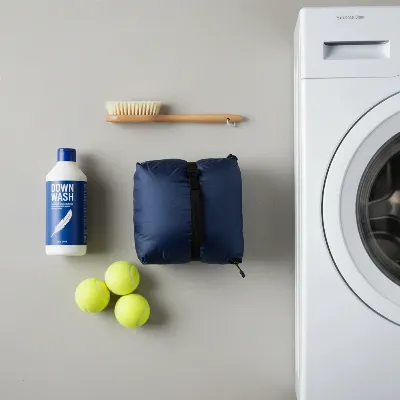 Essential supplies for washing a down sleeping bag, including down detergent, tennis balls, and a front-loading washer.
Step-by-Step Guide to Washing Your Down Sleeping Bag
Washing a down sleeping bag requires patience and attention to detail, but following these steps will help you achieve a thoroughly clean and revitalized bag.
Preparation is Key
|
Our Picks for the Best Sleeping Bag in 2026
As an Amazon Associate I earn from qualifying purchases.
|
||
| Num | Product | Action |
|---|---|---|
| 1 | 0 Degree Winter Sleeping Bags for Adults Camping (450GSM) - Temp Range (5F–32F) Portable Waterproof Compression Sack- Camping Sleeping Bags for Big and Tall in Env Hoodie: Backpacking Hiking 4 Season |

|
| 2 | MalloMe Sleeping Bags for Adults Cold Weather & Warm - Backpacking Camping Sleeping Bag for Kids 10-12, Girls, Boys - Lightweight Compact Camping Essentials Gear Accessories Hiking Sleep Must Haves |
|
| 3 | oaskys Camping Sleeping Bag - 3 Season Warm & Cool Weather - Summer Spring Fall Lightweight Waterproof for Adults Kids - Camping Gear Equipment, Traveling, and Outdoors |
|
| 4 | Coleman Heritage Big & Tall 10°F Flannel Sleeping Bag, XL Sleeping Bag Fits Adults up to 6ft 7in Tall, Machine Washable, Great for Camping, Hunting, Guests, & More |
|
| 5 | MalloMe Sleeping Bags for Adults Cold Weather & Warm - Backpacking Camping Sleeping Bag for Kids 10-12, Girls, Boys - Lightweight Compact Camping Essentials Gear Accessories Hiking Sleep Must Haves |
|
| 6 | Coleman Brazos 20/30°F Adult Cool-Weather Sleeping Bag with No-Snag Zipper & Stuff Sack, Machine Washable, Great for Camping, Traveling, Guests, & More |
|
| 7 | Coleman Brazos 20/30°F Adult Cool-Weather Sleeping Bag with No-Snag Zipper & Stuff Sack, Machine Washable, Great for Camping, Traveling, Guests, & More |
|
| 8 | Cold Weather Sleeping Bag 100% Cotton Flannel XXL for Adults Big and Tall,Free Compression Sack |
|
| 9 | BubblePanda Rayon Made from Bamboo Sleep Sack 6-12 Months 1.0 Tog Soft Toddler Sleeping Sack for Babies 2-Way Zipper Baby Wearable Blanket |
|
| 10 | REDCAMP Cotton Flannel Sleeping Bag for Camping Backpacking, Adults Cold Weather Envelope Sleeping Bags with 2/3/4/6lbs Filling |
|
Proper preparation sets the stage for a successful wash. Begin by locating the care label on your sleeping bag and adhering to any specific instructions from the manufacturer. Next, ensure all zippers, including the main zipper and any pocket zippers, are fully closed. This prevents snagging and potential damage during the wash cycle. Give the bag a good shake to dislodge any loose dirt or debris. If you spot any stubborn stains, pre-treat them by creating a paste with a small amount of down-specific detergent and water. Gently apply this paste to the stain using a soft brush or sponge, being careful not to soak the inner insulation. Finally, if using a washing machine, it’s a good practice to clean out its detergent drawer and run an empty rinse cycle to clear any residual standard detergent that could harm your down.
Machine Washing Your Down Bag
For those with access to a front-loading washing machine, this method can be highly effective. Carefully place your zipped-up sleeping bag into the drum, ensuring it has enough space to move freely. Add the recommended amount of down-specific detergent—usually a small amount is sufficient. Select a delicate or gentle cycle with warm or cold water; typically, temperatures around 30-40°C (86-100°F) are ideal. Crucially, set the machine for at least two rinse cycles to ensure all soap residue is thoroughly removed. Follow this with a fast or long spin cycle to extract as much water as possible. This reduces drying time and minimizes the risk of down clumping.
Hand Washing for Delicate Care
If a front-loading machine isn’t an option, hand washing is a perfectly viable and gentle alternative. Start by ensuring your bathtub is spotlessly clean. Lay the sleeping bag flat in the tub and fill it with enough warm water to fully submerge the bag. Add the appropriate amount of down-specific soap. Gently knead the sleeping bag, working the soapy water through the insulation without lifting the bag. The weight of a waterlogged down bag can easily tear internal baffles, so it’s imperative to support it fully. Once you’ve thoroughly massaged the soap in, drain the tub. Refill it with clean water and continue to gently knead the bag to rinse out the soap. You may need to drain and refill the tub several times until the water runs clear and no suds remain. Finally, gently squeeze out excess water; do not wring or twist the bag.
The Critical Drying Process
Drying a down sleeping bag is the most crucial, and often the most time-consuming, part of the process. Carefully transfer your wet, heavy sleeping bag from the washer or tub to a large dryer, cradling it to avoid stressing the fabric. Set the dryer to the lowest heat or “air fluff” setting. High heat can damage the shell fabric and even melt synthetic components. Add two to six clean tennis balls or specific down dryer balls to the drum. These balls will agitate the bag, helping to break up the down clumps and restore its loft as it dries.
Be patient, as drying can take several hours, even up to a full day or more, depending on the bag’s size and the dryer’s efficiency. Every 20-30 minutes, pause the dryer, remove the bag, and gently fluff it by hand, breaking apart any remaining down clumps. This ensures even drying and prevents mildew. Continue this process until the bag feels completely dry, lightweight, and evenly lofty, with no discernible clumps of down. After machine drying, it’s highly recommended to air dry the bag for at least an additional 24 hours, laying it flat on a clean surface or hanging it in a well-ventilated area away from direct sunlight, just to be absolutely certain every feather is dry.
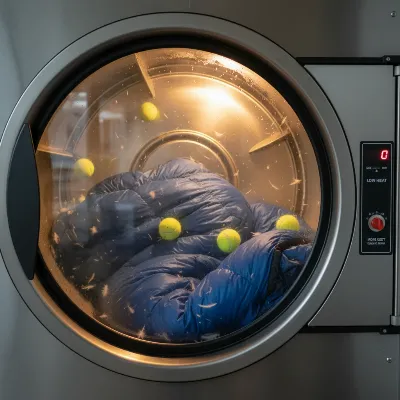 A down sleeping bag tumbling in a large dryer with several tennis balls to help fluff the down and restore loft.
Maintaining Your Down Sleeping Bag Between Washes
Preventative care is essential to minimize the frequency of full washes, thus extending the life of your down sleeping bag. One of the simplest and most effective strategies is to use a sleeping bag liner. These lightweight liners, available in cotton, silk, or polyester, create a barrier between your body and the sleeping bag. They absorb body oils and sweat, keeping the bag’s interior clean. Liners are easy to wash after each trip, significantly reducing the need to clean the entire sleeping bag.
Always air out your sleeping bag after each use. Even if it’s just for an hour or two in midday sun (avoid prolonged direct UV exposure), turning it inside out helps to dry out any internal moisture and reduces odor build-up. For long-term storage, never keep your down sleeping bag compressed in its small stuff sack. Compression over extended periods can damage the down’s loft. Instead, store it loosely in a large mesh storage sack or a spacious cotton pillowcase in a cool, dry, and well-ventilated area. This allows the down to remain fluffy and retains its insulating power.
“A well-cared-for down sleeping bag isn’t just a piece of gear; it’s an investment in comfort and warmth that will enhance countless adventures for years to come.”
Conclusion
Washing your down sleeping bag at home might seem daunting, but by following these detailed steps, you can safely and effectively restore its warmth, loft, and freshness. From selecting the right detergent and choosing between machine or hand washing to the critical, painstaking drying process with tennis balls, each stage plays a vital role in preserving your bag’s integrity. Consistent care, including the use of liners and proper storage, will significantly extend your sleeping bag’s lifespan and ensure it continues to provide unparalleled comfort on all your outdoor excursions. With a clean, fluffy bag, you’re always ready for the next adventure.
What’s your best tip for keeping your down sleeping bag in pristine condition?
Frequently Asked Questions
How often should I wash my down sleeping bag?
A full wash is typically only needed when your bag shows signs of significant dirt, odors, or a noticeable loss of loft. For minor issues, spot cleaning is usually sufficient. Using a sleeping bag liner can significantly reduce the frequency of full washes, often extending the time between washes to several years.
Can I use regular laundry detergent for my down sleeping bag?
No, it is strongly advised against using regular laundry detergents. These products contain harsh chemicals, fillers, and brighteners that can strip the natural oils from the down, causing it to clump, lose loft, and reduce its insulating properties. Always use a detergent specifically formulated for down products.
What if I don’t have a front-loading washing machine?
If you do not have access to a front-loading washing machine, hand washing your down sleeping bag in a clean bathtub is the recommended alternative. Top-loading machines with agitators can damage the bag’s delicate baffles and shift the down insulation.
How long does it take for a down sleeping bag to dry completely?
Drying a down sleeping bag can take several hours in a low-heat dryer, often between 4-8 hours, and sometimes even longer for very large bags. It’s crucial to continue drying until the down is completely dry, fluffy, and free of any clumps. Following up with an air-dry for 24 hours ensures thorough dryness.
Why do I need tennis balls or dryer balls for drying?
Tennis balls or special down dryer balls are essential during the drying process. They help to break up the wet, matted clumps of down as the bag tumbles, allowing air to circulate and fluff the down back to its original loft. This also speeds up the drying time and prevents mildew.
Frequently Asked Questions
How often should I wash my down sleeping bag?
A full wash is typically only needed when your bag shows signs of significant dirt, odors, or a noticeable loss of loft. For minor issues, spot cleaning is usually sufficient. Using a sleeping bag liner can significantly reduce the frequency of full washes, often extending the time between washes to several years.
Can I use regular laundry detergent for my down sleeping bag?
No, it is strongly advised against using regular laundry detergents. These products contain harsh chemicals, fillers, and brighteners that can strip the natural oils from the down, causing it to clump, lose loft, and reduce its insulating properties. Always use a detergent specifically formulated for down products, such as Nikwax Down Wash.
What if I don't have a front-loading washing machine?
If you do not have access to a front-loading washing machine, hand washing your down sleeping bag in a clean bathtub is the recommended alternative. Top-loading machines with agitators can damage the bag's delicate baffles and shift the down insulation, which can permanently reduce its insulating power.
How long does it take for a down sleeping bag to dry completely?
Drying a down sleeping bag can take several hours in a low-heat dryer, often between 4-8 hours, and sometimes even longer for very large bags. It's crucial to continue drying until the down is completely dry, fluffy, and free of any clumps. Following up with an air-dry for 24 hours ensures thorough dryness and prevents mildew.
Why do I need tennis balls or dryer balls for drying?
Tennis balls or special down dryer balls are essential during the drying process. They help to break up the wet, matted clumps of down as the bag tumbles, allowing air to circulate and fluff the down back to its original loft. This also speeds up the drying time and prevents mildew and uneven drying.
Get our weekly buyer guide
Practical specs, not advice. Unsubscribe anytime.

My sleeping bag had developed a persistent odor after a few seasons of heavy use, and I thought it was a goner. Following these instructions, especially using the right detergent, completely eliminated the smell. It’s amazing how much difference a proper wash makes. My bag feels incredibly warm again!
Great tips for getting my bag clean. I’d noticed a real loss of warmth on my last trip, and it was definitely due to the down clumping. The tennis ball trick in the dryer worked wonders for re-fluffing everything. My only minor complaint is that it took a bit longer to dry than I expected, even on low heat.
I tried hand washing my bag as an alternative to the machine, and it was a lot more work than I anticipated. The down-specific detergent did a good job, but getting all the soap out by hand was a real challenge. Next time, I’ll definitely try to find a laundromat with a large front-loader.
I was so nervous about washing my expensive down sleeping bag, but these steps made it super easy. I used a front-loading machine like suggested, and my bag came out looking and feeling brand new. The loft is totally restored, and it smells so fresh now. Definitely recommend following this guide!