Connecting two single sleeping bags is an effective way to create a cozy, communal sleep system, enhancing warmth and companionship on outdoor adventures. This process primarily relies on zipper compatibility, specifically requiring one bag with a left-hand zipper and another with a right-hand zipper of the same size and type (e.g., YKK #5 coil zippers). When successfully connected, this setup significantly enhances shared warmth and provides a larger, more comfortable sleeping area for campers.
The Allure of Shared Warmth: Why Connect Your Sleeping Bags?
Connecting two sleeping bags offers several compelling advantages for campers. Firstly, sharing body heat significantly enhances warmth, making cold nights more bearable and reducing the need for heavily insulated, bulky individual bags. Secondly, it creates a much larger, more comfortable sleeping area, allowing for greater freedom of movement compared to being confined in a single bag. This added space is particularly appreciated by couples or parents camping with a small child. Beyond the practical benefits, sleeping together can foster a deeper sense of connection and companionship, turning an ordinary night outdoors into a more memorable experience. Imagine snuggling up, protected from the elements, as you drift off to sleep.
Decoding Sleeping Bag Compatibility: Zippers Are Key
The ability to successfully connect two sleeping bags primarily hinges on zipper compatibility. Not all zippers are created equal, and understanding their nuances is the first critical step. Attempting to force incompatible zippers can damage your gear, so always check before you try. For browse all sleeping bags articles on this site.
Understanding Zipper Types and Sizes
Sleeping bag zippers come in various types and sizes, typically indicated by a number (e.g., #5, #8) often stamped on the zipper slider. Common sizes include YKK #5 and #8. Zippers also have different tooth styles, such as coil or vislon (toothed). For two bags to zip together, their zippers generally need to be the same size and type. A YKK #5 coil zipper from one bag will usually only connect smoothly with another YKK #5 coil zipper.
Left-Hand vs. Right-Hand Zippers
This is perhaps the most crucial compatibility factor. For two sleeping bags to zip together along their full length, you almost always need one bag with a left-hand zipper and one with a right-hand zipper. A left-hand zipper is on your left when you lie inside the bag, and a right-hand zipper is on your right. When placed side-by-side, these opposing zippers can then interlock. Trying to connect two left-hand or two right-hand zipped bags will not work.
Brand and Series Specifics
While zipper types and hand orientation are vital, some manufacturers design their sleeping bags with specific coupling systems. Bags from the same brand or even the same series often feature zippers that are perfectly matched for connection. For instance, some brands explicitly design a “men’s” version with a left zipper and a “women’s” version with a right zipper to be compatible. Always check the manufacturer’s specifications or product descriptions for information on connectability, as compatibility may not extend across different models or generations of bags from the same brand.
Full Zippers vs. Half/Wraparound
For a secure and complete connection, both sleeping bags must have a full-length zipper running down the side and often around the footbox. Bags with half zippers, or those designed with a “wraparound” foot zipper that isn’t intended for coupling, generally cannot be zipped to another bag. The main side zipper is always the one used for coupling.
Step-by-Step: Zipping Two Compatible Sleeping Bags Together
Once you’ve confirmed your sleeping bags are compatible, the process of zipping them together is straightforward:
- Prepare the Sleeping Bags: Lay both sleeping bags side by side on a flat surface, such as the floor of your tent or a ground tarp. Ensure the zippers are aligned along the edge you wish to connect. One bag should have its left-hand zipper facing the right-hand zipper of the other bag.
- Unzip Completely: Fully unzip both sleeping bags. This means pulling the zipper slider all the way down to the foot end and detaching the zipper track where possible, as you would when opening a jacket completely.
- Connect the Bottom Zippers: Start at the foot end of the bags. Take the detached zipper track from one bag and carefully insert it into the zipper pull of the other bag. This is like starting a jacket zipper: ensure the two zipper halves are aligned perfectly before attempting to pull.
- Zip Up the Bags: Once the bottom portion is securely connected, slowly pull the zipper slider upwards, joining the two bags along their length. If there’s resistance, do not force it; re-check the alignment. Repeat this process for any secondary zippers, if applicable, although most coupling relies on the main side zipper.
- Adjust for Comfort: Once fully zipped, you’ll have a spacious double sleeping bag. Adjust the position of any hoods or draft collars to ensure maximum comfort and warmth.
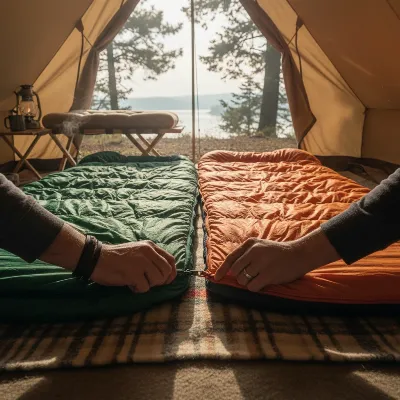 Two compatible sleeping bags being zipped together by hand in a camping tent.
Connecting Incompatible Sleeping Bags: Creative Solutions
What if your sleeping bags don’t have compatible zippers? Don’t despair! There are still creative DIY methods to achieve shared warmth and comfort. While you won’t get a perfect zipped seal, these techniques can significantly improve your sleeping experience.
- Layering with Blankets or Quilts: This is the simplest solution. Lay a large camping blanket, a quilt, or even an extra sleeping bag (unzipped to form a flat sheet) over both unzipped sleeping bags. This creates a shared thermal layer that traps body heat and reduces drafts.
- Using Sleeping Bag Liners: You can purchase or make large double sleeping bag liners from fleece, cotton, or silk. Place both individual sleeping bags inside the double liner. This adds a layer of insulation and helps keep the bags together, mimicking a unified sleep system.
- DIY Straps or Fasteners: For a more secure, albeit less warm, connection, you could use webbing straps with buckles or even simple paracord to cinch the two sleeping bags together at various points along their sides. This won’t provide a sealed draft-free system but will prevent the bags from separating entirely and can be effective when used in conjunction with a shared blanket. This method is more about keeping the bags together rather than warmly sealed.
Choosing the Right Sleeping Bags for Coupling
When planning to connect sleeping bags, considering their individual characteristics can make a big difference in the success and comfort of your combined setup.
Shape Matters: Rectangular vs. Mummy Bags
- Rectangular Bags: These are generally the easiest to connect due to their uniform shape. When zipped together, they form a spacious, rectangular double bag that feels much like a traditional bed. They offer ample room for movement.
- Mummy Bags: With their tapered design, mummy bags are more challenging to connect effectively. Even if zippers are compatible, the resulting shape will be hourglass-like, which can restrict movement and create cold spots where the bags pull apart at the waist. Hoods on mummy bags can also become awkward when two are connected, often ending up over one person’s face. While some technical mummy bags are designed to couple, rectangular bags are often preferred for this purpose.
Temperature Ratings and Insulation (Down vs. Synthetic) for Combined Use
When connecting bags, the individual temperature ratings still apply, but the combined system often feels warmer due to shared body heat. If combining bags with different ratings, consider the lower comfort limit for the pair. Both down and synthetic insulation can work, but consider these aspects:
- Down: Excellent warmth-to-weight ratio, highly compressible. However, down loses insulating power when wet. If one bag gets damp, it could affect the shared warmth.
- Synthetic: Performs better when damp, generally less expensive. Synthetic bags tend to be bulkier and heavier than down bags of equivalent warmth.
Size and Fit Considerations
Ensure the length of the sleeping bags is similar to avoid awkward gaps or pulling. While it’s possible to connect bags of slightly different lengths, a closer match will result in a more seamless and comfortable sleeping surface. Consider your combined width requirements as well; if both individuals are larger, even a connected system might feel snug.
Maximizing Comfort and Warmth in Your Double Setup
Connecting sleeping bags is just the first step. To ensure a truly comfortable and warm night, incorporate these additional tips:
- Use Compatible Sleeping Pads: Two individual sleeping pads placed side-by-side underneath the connected bags will provide crucial insulation from the cold ground. For ultimate luxury, consider a double-sized sleeping pad or two pads that can be clipped together.
- Mind the Draft Collars: If your bags have draft collars (insulated tubes around the neck opening), ensure they are properly positioned to prevent warm air from escaping and cold air from entering the combined space.
- Layer Appropriately: Wear clean, dry base layers to bed. Avoid over-dressing, which can lead to sweating and ultimately make you colder.
- Pre-warm Your Bags: Before getting in, consider tossing a warm water bottle (securely sealed!) into the bags for a few minutes to pre-heat the space.
- Seal Gaps: If there are any small gaps or cold spots where the zippers meet, you can use a scarf, extra clothing, or even a small piece of fabric to block drafts.
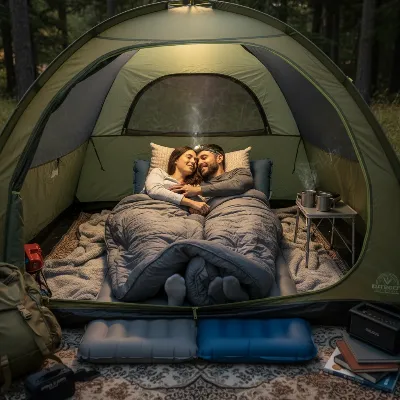 A happy couple comfortably snuggled in two connected sleeping bags inside a tent, surrounded by camping gear.
Top Brands for Connectable Sleeping Bags
Several reputable outdoor gear brands design sleeping bags with compatibility in mind, making the connection process seamless. When shopping, look for these brands and check their specific product lines for “connectable” or “mateable” options:
- Sea to Summit: Known for their innovative gear, many Sea to Summit bags are designed to zip together, often requiring a left and a right zipper. They offer compatibility tables on their website.
- NEMO Equipment: NEMO frequently designs its men’s and women’s specific sleeping bags (e.g., Riff, Disco, Forte) to be compatible and zip together, creating a snug double sleep system.
- Big Agnes: Big Agnes offers a range of bags designed to mate together, often emphasizing comfort and spaciousness in their designs.
- Marmot: Some Marmot sleeping bags, particularly those with YKK #5 zippers, are designed to zip together, provided you have a left and a right zip version.
- Coleman: Certain Coleman series, especially their more rectangular-shaped bags, are often designed with compatible zippers, making them a popular choice for general camping.
Always verify the specific model and zipper type when purchasing, as compatibility can vary even within a single brand.
Care and Maintenance for Paired Sleeping Bags
Proper care extends the life of your sleeping bags, whether used individually or connected.
- Careful Unzipping: When separating your connected bags, always do so gently. Avoid tugging or forcing the zippers, which can lead to damage. Ensure the zipper pulls are fully disengaged before attempting to pull the tracks apart.
- Cleaning: Refer to the manufacturer’s instructions for cleaning. Down bags often require special care (professional cleaning or specific down wash detergents), while synthetic bags are generally easier to wash at home. Ensure the bags are completely dry before storage to prevent mold and mildew.
- Storage: Store sleeping bags uncompressed in a large mesh storage sack or hung in a closet. This allows the insulation to loft fully, maintaining its warmth and longevity. Avoid storing them in their compression sacks for extended periods.
“A well-chosen and properly maintained sleeping bag is not just gear; it’s your portable sanctuary, and connecting two can double that feeling of security and warmth.” – Alex ‘Pathfinder’ Chen, Outdoor Gear Specialist
Conclusion
Transforming two single sleeping bags into a connected double system is a fantastic way to enhance your outdoor adventures, offering unparalleled warmth, space, and companionship. By understanding zipper compatibility – specifically the need for opposing left and right zippers of the same size and type – you can easily create a cozy sleeping environment. Even with incompatible bags, creative solutions like layering can still provide shared comfort. Investing a little time in checking specifications and practicing the connection process ensures a safe and comfortable night under the stars. So, are you ready to improve your camping experience by zipping up for shared comfort?
Frequently Asked Questions
Can I connect any two sleeping bags together?
No, not all sleeping bags can be zipped together. They must have compatible zippers, typically meaning one left-hand and one right-hand zipper of the same size and type, ideally from the same brand or series, to ensure a proper fit and seal.
Will zipping two sleeping bags together make them warmer?
Yes, zipping two sleeping bags together can significantly increase warmth. The combined space traps more body heat from two individuals, creating a warmer microclimate and reducing heat loss compared to sleeping in two separate bags.
What if my sleeping bags have different temperature ratings?
If you connect two bags with different temperature ratings, the combined system’s effective warmth will generally be closer to the lower (less warm) rating, but shared body heat will usually make it feel warmer than that individual bag alone.
Are mummy bags or rectangular bags better for connecting?
Rectangular sleeping bags are generally easier and more comfortable to connect because their uniform shape creates a spacious, natural double sleeping area. Mummy bags, with their tapered design, can be more challenging and may result in restricted movement and cold spots when connected.
Can I use a sleeping bag liner with connected sleeping bags?
Yes, using a double-sized sleeping bag liner inside your connected sleeping bags is an excellent way to add an extra layer of warmth, keep the interior clean, and make the combined sleep system feel more unified and comfortable.
What zipper size is most common for connectable sleeping bags?
YKK #5 and #8 zippers are among the most common sizes found on sleeping bags designed for coupling. The zipper size is often stamped on the zipper slider itself, which can help determine compatibility.
How do I prevent cold drafts when bags are connected?
To prevent cold drafts, ensure the zippers are fully engaged and sealed. Position any draft collars properly, use an insulated sleeping pad beneath the entire connected system, and consider adding an extra blanket or quilt over the top for additional insulation.
Frequently Asked Questions
Can any two sleeping bags be zipped together?
No, not all sleeping bags can be zipped together. They must have compatible zippers, typically meaning one left-hand and one right-hand zipper of the same size and type, ideally from the same brand or series, to ensure a proper fit and seal.
Does zipping two sleeping bags together make them warmer?
Yes, zipping two sleeping bags together can significantly increase warmth. The combined space traps more body heat from two individuals, creating a warmer microclimate and reducing heat loss compared to sleeping in two separate bags.
What if connected sleeping bags have different temperature ratings?
If you connect two bags with different temperature ratings, the combined system's effective warmth will generally be closer to the lower (less warm) rating. However, shared body heat will usually make it feel warmer than that individual bag alone.
Are mummy bags or rectangular bags better for connecting?
Rectangular sleeping bags are generally easier and more comfortable to connect because their uniform shape creates a spacious, natural double sleeping area. Mummy bags, with their tapered design, can be more challenging and may result in restricted movement and cold spots when connected.
What zipper size is most common for connectable sleeping bags?
YKK #5 and #8 zippers are among the most common sizes found on sleeping bags designed for coupling. The zipper size is often stamped on the zipper slider itself, which can help determine compatibility.
How do I prevent cold drafts when bags are connected?
To prevent cold drafts, ensure the zippers are fully engaged and sealed. Position any draft collars properly, use an insulated sleeping pad beneath the entire connected system, and consider adding an extra blanket or quilt over the top for additional insulation.
How to Zip Two Compatible Sleeping Bags Together
This procedure outlines the steps to connect two compatible sleeping bags, creating a larger, shared sleeping system for camping.
Lay both sleeping bags side by side on a flat surface, such as your tent floor. Ensure the zippers are aligned along the edge you wish to connect, with one bag having a left-hand zipper facing the right-hand zipper of the other.
Fully unzip both sleeping bags. Pull the zipper slider all the way down to the foot end and detach the zipper track where possible, similar to opening a jacket completely.
Start at the foot end of the bags. Take the detached zipper track from one bag and carefully insert it into the zipper pull of the other bag. Ensure the two zipper halves are perfectly aligned before attempting to pull.
Once the bottom portion is securely connected, slowly pull the zipper slider upwards, joining the two bags along their length. If resistance occurs, re-check alignment and do not force the zipper.
After fully zipping, you will have a spacious double sleeping bag. Adjust any hoods or draft collars to ensure maximum comfort and warmth within the combined space.
Get our weekly buyer guide
Practical specs, not advice. Unsubscribe anytime.

I’ve always wanted a double sleeping bag but didn’t want to buy a whole new setup. This DIY guide was super helpful! I managed to connect my old bag with my son’s, and it worked surprisingly well. The larger sleeping area was a huge plus, giving us both more room to move around. Just make sure your zippers are actually compatible, that’s key.
My partner and I tried connecting our two sleeping bags for a recent trip, and it was a game-changer! We used one with a left-hand zipper and one with a right-hand zipper, just like suggested. The shared warmth made such a difference on a chilly night, and it was so much more comfortable than sleeping in separate bags. Definitely recommend this for couples who camp together.
This method totally enhanced our companionship on our last backpacking trip! We connected our bags, and it was so cozy. It really does reduce the need for super bulky individual bags, which is great for saving space in our packs. Plus, waking up next to each other in a big, warm cocoon was just lovely.
I tried connecting my two bags, and while the concept of shared body heat is great, I had a bit of trouble with the zipper types. My YKK #5 coil zippers didn’t quite match up perfectly, so there was a small gap. It still provided some extra warmth, but it wasn’t as seamless as I hoped. Next time I’ll double-check the exact zipper model.