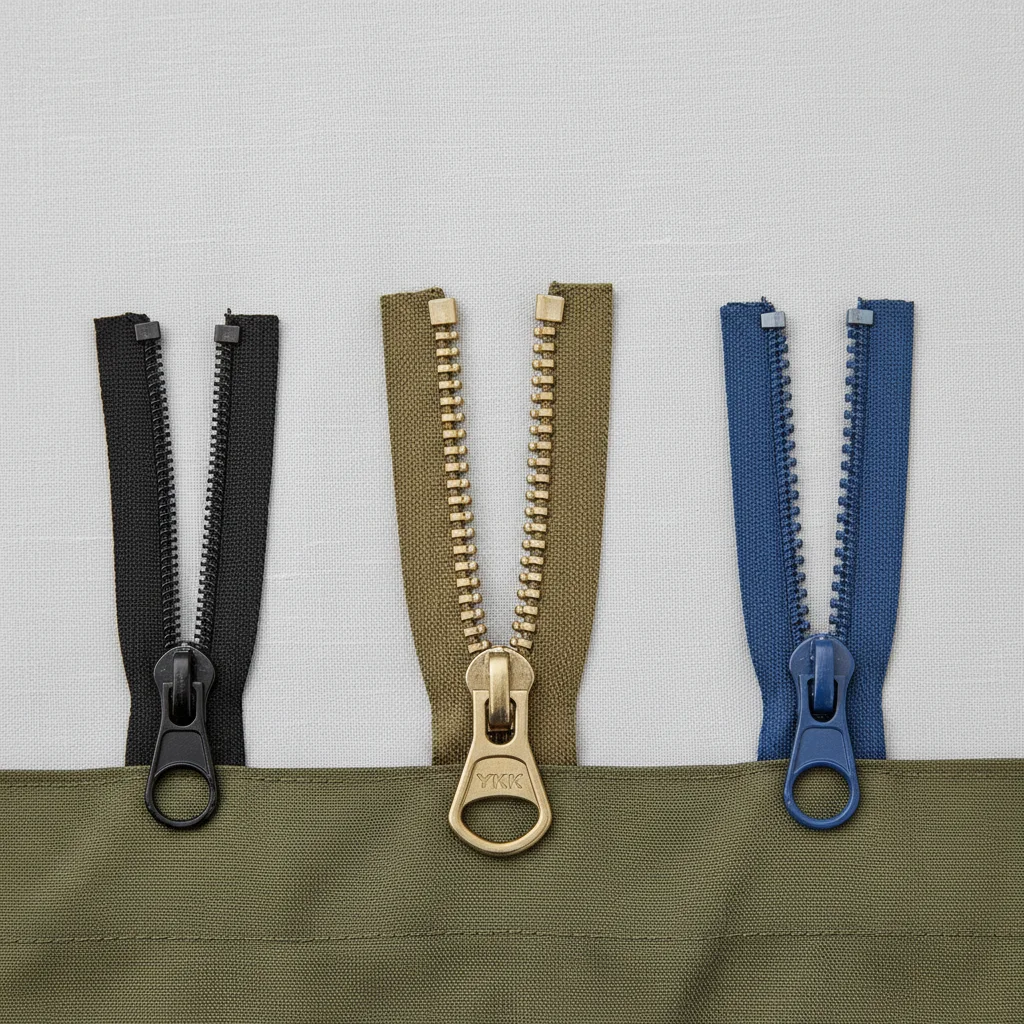
When it comes to the longevity of your sleeping bag, the zipper is often a critical component. There are primarily three main sleeping bag zipper types that offer varying degrees of durability and functionality: coil zippers, molded tooth zippers, and metal tooth zippers. Among these, molded tooth zippers generally offer the best balance of strength and resistance to snagging, making them a top choice for long-lasting performance in outdoor gear.
Coil Zippers: Lightweight and Flexible
Coil zippers, also known as nylon coil zippers, are characterized by their continuous coil of monofilament plastic, typically nylon, which forms the teeth. These zippers are lightweight and highly flexible, making them a common choice for many sleeping bags where weight and packability are priorities. They are less prone to corrosion than metal zippers and can be easily repaired if a tooth breaks, as the coil can often be realigned. However, their flexibility can also be a weakness; they are more susceptible to snagging on fabric and can be less durable under heavy stress compared to other types.
Molded Tooth Zippers: Durability and Smooth Operation
Molded tooth zippers feature individual plastic teeth that are injected and molded directly onto the zipper tape. These teeth are typically larger and more robust than those found on coil zippers, providing superior strength and resistance to impact. The design of molded teeth also contributes to a smoother zipping action, reducing the likelihood of snags and jams. This type of zipper is particularly well-suited for sleeping bags that will see frequent use in demanding outdoor conditions, as their durability helps prevent common wear-and-tear issues. They are also less affected by dirt and debris than coil zippers, maintaining their functionality in dusty environments.
- Enhanced resistance to snagging and jamming.
- Superior strength and impact resistance.
- Smooth and reliable operation.
- Less susceptible to environmental debris.
- Ideal for frequent and rugged use.
Metal Tooth Zippers: Maximum Strength, Potential Drawbacks
|
Our Picks for the Best Sleeping Bag in 2026
As an Amazon Associate I earn from qualifying purchases.
|
||
| Num | Product | Action |
|---|---|---|
| 1 | MalloMe Sleeping Bags for Adults Cold Weather & Warm - Backpacking Camping Sleeping Bag for Kids 10-12, Girls, Boys - Lightweight Compact Camping Essentials Gear Accessories Hiking Sleep Must Haves |

|
| 2 | oaskys Camping Sleeping Bag - 3 Season Warm & Cool Weather - Summer Spring Fall Lightweight Waterproof for Adults Kids - Camping Gear Equipment, Traveling, and Outdoors |
|
| 3 | REDCAMP Cotton Flannel Sleeping Bag for Camping Backpacking, Adults Cold Weather Envelope Sleeping Bags with 2/3/4/6lbs Filling |
|
| 4 | MalloMe Sleeping Bags for Adults Cold Weather & Warm - Backpacking Camping Sleeping Bag for Kids 10-12, Girls, Boys - Lightweight Compact Camping Essentials Gear Accessories Hiking Sleep Must Haves |
|
| 5 | Coleman Brazos 20/30°F Adult Cool-Weather Sleeping Bag with No-Snag Zipper & Stuff Sack, Machine Washable, Great for Camping, Traveling, Guests, & More |
|
| 6 | Coleman Heritage Big & Tall 10°F Flannel Sleeping Bag, XL Sleeping Bag Fits Adults up to 6ft 7in Tall, Machine Washable, Great for Camping, Hunting, Guests, & More |
|
| 7 | Cold Weather Sleeping Bag 100% Cotton Flannel XXL for Adults Big and Tall,Free Compression Sack |
|
| 8 | BubblePanda Rayon Made from Bamboo Sleep Sack 6-12 Months 1.0 Tog Soft Toddler Sleeping Sack for Babies 2-Way Zipper Baby Wearable Blanket |
|
| 9 | Coleman Brazos 20/30°F Adult Cool-Weather Sleeping Bag with No-Snag Zipper & Stuff Sack, Machine Washable, Great for Camping, Traveling, Guests, & More |
|
| 10 | 0 Degree Winter Sleeping Bags for Adults Camping (450GSM) - Temp Range (5F–32F) Portable Waterproof Compression Sack- Camping Sleeping Bags for Big and Tall in Env Hoodie: Backpacking Hiking 4 Season |
|
Metal tooth zippers, often made from brass or aluminum, are renowned for their exceptional strength and durability. They are the most robust of the three types and are often found on heavy-duty gear where maximum resilience is required. The individual metal teeth interlock securely, providing a very strong closure that is difficult to break. However, metal zippers come with several drawbacks for sleeping bag applications. They are significantly heavier than plastic alternatives, which can be a disadvantage for backpackers. They are also prone to corrosion, especially in damp environments, and can become cold to the touch in low temperatures. Furthermore, if a metal tooth breaks, repair can be more challenging than with coil or molded tooth zippers.
Factors to Consider Beyond Zipper Type
While the type of zipper is crucial, other factors also influence its overall performance and longevity. The size of the zipper, often indicated by a number (e.g., #5, #8), directly correlates with its strength; a larger number means a stronger zipper. The quality of the zipper pull and the stitching that attaches the zipper to the sleeping bag fabric are also vital. A robust pull tab and secure, reinforced stitching will prevent premature failure. Look for brands that use reputable zipper manufacturers like YKK, which are known for their high-quality and durable products.Additionally, consider the length and placement of the zipper. Full-length zippers offer more ventilation options but also present a longer potential point of failure compared to shorter, half-zip designs. A two-way zipper allows for ventilation from both the top and bottom, adding to the bag’s versatility without compromising durability if the zipper itself is high quality.
Maintaining Your Sleeping Bag Zipper for Extended Life
Proper maintenance is key to extending the life of any sleeping bag zipper. Regularly clean the zipper teeth to remove dirt, sand, and debris that can cause friction and wear. A small brush or even an old toothbrush can be effective for this. Lubricating the zipper with a specialized zipper lubricant or even a silicone-based spray can help ensure smooth operation and prevent sticking. Avoid forcing a stuck zipper, as this can lead to broken teeth or damage to the zipper tape. Instead, gently work the slider back and forth, clearing any obstructions. When storing your sleeping bag, ensure the zipper is clean and fully closed to prevent it from getting bent or damaged.By paying attention to these maintenance tips, you can significantly prolong the life of your sleeping bag’s zipper, ensuring it continues to function reliably on all your adventures.
Get our weekly buyer guide
Practical specs, not advice. Unsubscribe anytime.

I’ve always struggled with zippers on my sleeping bags, especially when it’s cold and my fingers are numb. The molded tooth zipper on my new bag is a game-changer! It’s so smooth and I haven’t had a single snag, even after a few trips. Definitely worth the investment for the peace of mind.
My old sleeping bag had a metal tooth zipper and it was a nightmare for corrosion after a few rainy trips. I recently upgraded to a bag with a molded tooth zipper and it’s been fantastic. No issues with rust or sticking, and it feels really robust. I’m much happier with this type for all my camping adventures.
I picked up a sleeping bag with a coil zipper because I wanted something really lightweight for backpacking. It’s definitely light and packs down small, which is great. However, I’ve noticed it can be a bit finicky sometimes, and I worry about its long-term durability compared to other types. It hasn’t broken yet, but I’m extra careful with it.
I used to think all zippers were pretty much the same, but after having a few fail on me, I started paying more attention. My latest sleeping bag has a molded tooth zipper and it’s incredibly strong. It feels like it can really take a beating, which is essential when you’re out in the wilderness. Highly recommend looking for this type.