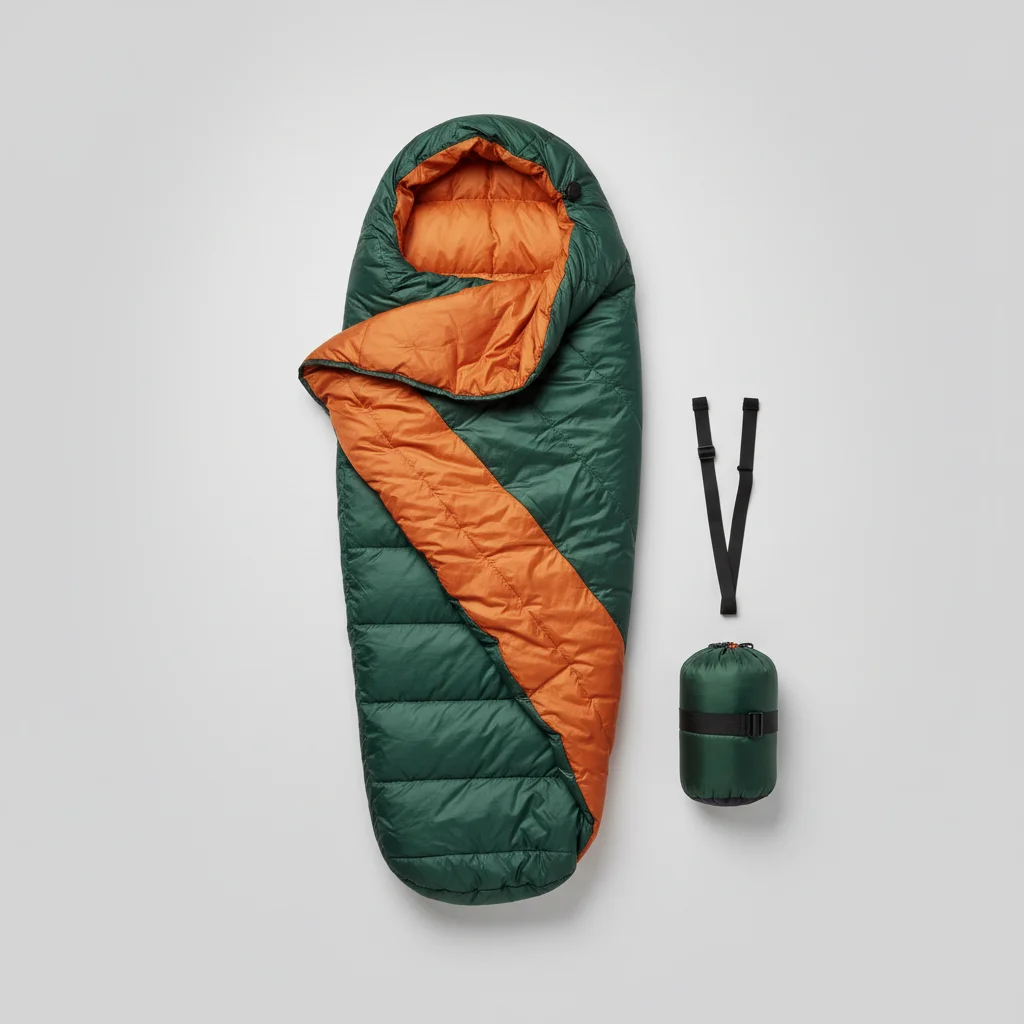
A quilt sleeping bag is a minimalist sleep system that covers the top and sides of a sleeper, relying on an insulated sleeping pad for warmth underneath. Unlike traditional sleeping bags that fully enclose the user, quilts are open at the back, reducing bulk and weight. This design is particularly beneficial for backpackers and campers who prioritize a lightweight pack and versatile temperature regulation. The primary advantage of a quilt is its efficiency: you’re not compressing insulation underneath you, which would otherwise lose its thermal properties. This means less material is needed for the same warmth, leading to a lighter and more compact sleep solution.
Quilts typically feature a footbox to keep your feet warm and prevent drafts, and many include straps or attachment systems to secure them to a sleeping pad, minimizing cold spots. They are often preferred by side sleepers or those who toss and turn, as they offer more freedom of movement than a mummy bag. While they might seem less intuitive than a traditional sleeping bag, understanding their design and how to use them effectively can significantly enhance your outdoor sleeping experience, especially in milder conditions or for those who sleep warm.
Key Differences Between Quilts and Traditional Sleeping Bags
The fundamental difference lies in their construction and how they provide warmth. A traditional sleeping bag, especially a mummy bag, fully encases the sleeper, providing insulation all around. This design is excellent for very cold conditions where minimizing heat loss from all angles is crucial. However, the insulation underneath your body gets compressed by your weight, rendering it less effective. Manufacturers often compensate for this by adding more fill, which increases weight and packed size.
Quilts, on the other hand, are designed to be used in conjunction with an insulated sleeping pad. They lack a full back, assuming your sleeping pad will provide the necessary insulation from the ground. This design eliminates the need for insulation that would otherwise be compressed and ineffective, leading to significant weight savings. Quilts also offer superior ventilation and freedom of movement, making them more comfortable for many sleepers, particularly in warmer temperatures or for those who feel constricted in a traditional bag. The choice between the two often comes down to personal preference, the expected temperature range, and the importance of pack weight.
Advantages of Using a Quilt Sleeping Bag
- Reduced Weight and Pack Size: By eliminating the back insulation, quilts are significantly lighter and more compact than traditional sleeping bags of comparable warmth. This is a major benefit for backpackers and thru-hikers.
- Enhanced Freedom of Movement: Without a full enclosure, quilts allow sleepers to move more freely, making them ideal for side sleepers or those who frequently change positions during the night.
- Superior Temperature Regulation: Quilts can be easily vented by simply shifting them or adjusting their attachment to your sleeping pad, offering excellent versatility across a range of temperatures.
- Cost-Effective Warmth: Because they use less material, high-quality quilts can sometimes offer a better warmth-to-weight ratio for a similar price point compared to fully enclosed sleeping bags.
- Versatility: Many quilts can be fully opened and used as a blanket, adding to their utility around camp or at home.
Disadvantages and Considerations
|
Our Picks for the Best Sleeping Bag in 2026
As an Amazon Associate I earn from qualifying purchases.
|
||
| Num | Product | Action |
|---|---|---|
| 1 | MalloMe Sleeping Bags for Adults Cold Weather & Warm - Backpacking Camping Sleeping Bag for Kids 10-12, Girls, Boys - Lightweight Compact Camping Essentials Gear Accessories Hiking Sleep Must Haves |

|
| 2 | Cold Weather Sleeping Bag 100% Cotton Flannel XXL for Adults Big and Tall,Free Compression Sack |
|
| 3 | BubblePanda Rayon Made from Bamboo Sleep Sack 6-12 Months 1.0 Tog Soft Toddler Sleeping Sack for Babies 2-Way Zipper Baby Wearable Blanket |
|
| 4 | Coleman Brazos 20/30°F Adult Cool-Weather Sleeping Bag with No-Snag Zipper & Stuff Sack, Machine Washable, Great for Camping, Traveling, Guests, & More |
|
| 5 | MalloMe Sleeping Bags for Adults Cold Weather & Warm - Backpacking Camping Sleeping Bag for Kids 10-12, Girls, Boys - Lightweight Compact Camping Essentials Gear Accessories Hiking Sleep Must Haves |
|
| 6 | Coleman Heritage Big & Tall 10°F Flannel Sleeping Bag, XL Sleeping Bag Fits Adults up to 6ft 7in Tall, Machine Washable, Great for Camping, Hunting, Guests, & More |
|
| 7 | REDCAMP Cotton Flannel Sleeping Bag for Camping Backpacking, Adults Cold Weather Envelope Sleeping Bags with 2/3/4/6lbs Filling |
|
| 8 | Coleman Brazos 20/30°F Adult Cool-Weather Sleeping Bag with No-Snag Zipper & Stuff Sack, Machine Washable, Great for Camping, Traveling, Guests, & More |
|
| 9 | 0 Degree Winter Sleeping Bags for Adults Camping (450GSM) - Temp Range (5F–32F) Portable Waterproof Compression Sack- Camping Sleeping Bags for Big and Tall in Env Hoodie: Backpacking Hiking 4 Season |
|
| 10 | oaskys Camping Sleeping Bag - 3 Season Warm & Cool Weather - Summer Spring Fall Lightweight Waterproof for Adults Kids - Camping Gear Equipment, Traveling, and Outdoors |
|
While quilts offer many benefits, they also come with a few considerations. The most significant is the reliance on your sleeping pad for bottom insulation. If your pad isn’t adequately insulated for the conditions, you will get cold. This means you need to carefully match your sleeping pad’s R-value to the expected temperatures. Another potential drawback is the learning curve; some users find it takes a few nights to get used to sealing out drafts, especially if they are accustomed to the full enclosure of a sleeping bag. Drafts can occur if the quilt isn’t properly secured to the pad or if you move around excessively without the quilt moving with you.
In extremely cold or windy conditions, a traditional sleeping bag might offer a more secure and draft-free experience. The open nature of a quilt means that if you’re not careful, cold air can seep in. However, with proper technique—using pad straps, cinching the neck baffle, and ensuring a good seal—these issues can be largely mitigated. The success of a quilt system hinges on understanding its design and using it effectively in appropriate conditions.
Who Should Consider a Quilt Sleeping Bag?
Quilt sleeping bags are an excellent choice for a specific type of outdoor enthusiast. They are particularly well-suited for backpackers, thru-hikers, and anyone for whom minimizing pack weight and volume is a top priority. If you’re counting ounces and want to shave weight from your gear list without sacrificing warmth, a quilt is a strong contender. They are also ideal for side sleepers or restless sleepers who often feel constricted in traditional mummy bags, offering a more comfortable and less restrictive night’s sleep. Campers who frequently experience overheating in sleeping bags will appreciate the superior ventilation and temperature regulation a quilt provides.
If you primarily camp in three-season conditions (spring, summer, fall) where extreme cold is not a constant concern, a quilt can be a highly effective and comfortable sleep system. However, if you’re an expedition mountaineer heading into sub-zero temperatures or someone who prioritizes the absolute security of a fully enclosed system, a traditional sleeping bag might still be your preferred option. For everyone else looking for a lighter, more versatile, and often more comfortable alternative, exploring the world of quilt sleeping bags is highly recommended.Many brands offer excellent quilt options, catering to various temperature ratings and preferences. Consider your typical camping environment and sleeping style when making your decision.
Choosing the Right Quilt for Your Adventures
Selecting the perfect quilt involves considering several factors to ensure it meets your specific needs. First, the temperature rating is paramount. Just like sleeping bags, quilts come with ratings that indicate the lowest temperature at which they are designed to keep an average sleeper comfortable. Be realistic about the coldest temperatures you expect to encounter and choose a quilt with a rating that provides a comfortable buffer. that a quilt’s effectiveness is also tied to your sleeping pad’s R-value, so ensure they are a good match.
Next, consider the fill material: down or synthetic. Down offers an excellent warmth-to-weight ratio and compressibility but loses insulating power when wet. Synthetic fill performs better when damp and is often more budget-friendly, though it tends to be heavier and bulkier. The shell fabric also plays a role, impacting durability, water resistance, and feel. Look for features like a well-designed footbox, attachment systems for your sleeping pad, and a neck baffle that can be cinched to prevent drafts. Finally, consider the length and width to ensure a comfortable fit that allows for adequate coverage without being excessively large.Taking the time to research these aspects will help you find a quilt that enhances your outdoor sleeping experience for years to come.
Get our weekly buyer guide
Practical specs, not advice. Unsubscribe anytime.
