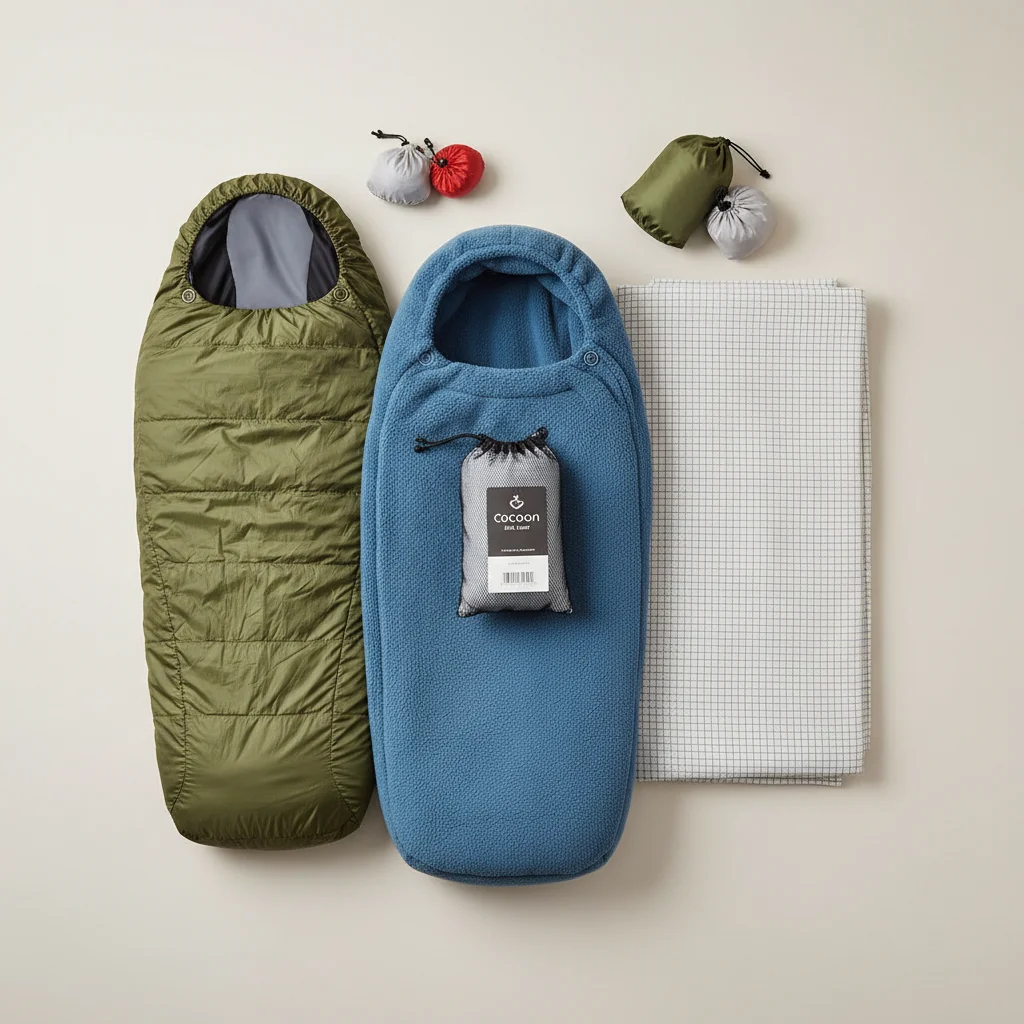
Sleeping bag liners are thin inserts designed to enhance your sleeping bag’s performance and longevity. While not strictly essential for every trip, there are five key scenarios where a liner becomes a highly valuable addition to your camping gear. They primarily serve to add warmth, keep your sleeping bag cleaner, and provide a more comfortable sleep surface, making them a smart investment for many outdoor enthusiasts.
Extend Your Sleeping Bag’s Lifespan
One of the most compelling reasons to use a sleeping bag liner is to protect your main sleeping bag from dirt, sweat, and body oils. Over time, these elements can degrade the insulation and fabric of your sleeping bag, reducing its effectiveness and lifespan. A liner acts as a barrier, absorbing the grime that would otherwise accumulate on your sleeping bag’s interior. This means you’ll need to wash your actual sleeping bag less frequently, which is crucial since frequent washing can also diminish its loft and warmth.
Cleaning a liner is significantly easier and less damaging than cleaning a full sleeping bag. Most liners are machine washable and dry quickly, making post-trip cleanup a breeze. This simple step can save you money in the long run by extending the life of your more expensive sleeping bag.
Boost Warmth and Comfort
Sleeping bag liners aren’t just for cleanliness; they can also add a noticeable amount of warmth to your sleep system. Depending on the material, a liner can increase your sleeping bag’s temperature rating by a few degrees, which can be a major upgrade on unexpectedly chilly nights. Silk liners, for example, are known for their excellent warmth-to-weight ratio, while fleece liners offer substantial insulation.
Beyond warmth, liners can significantly improve comfort. They provide a soft, smooth surface against your skin, which can be particularly pleasant if your sleeping bag’s inner fabric feels less than ideal. Some campers also find that liners prevent them from sticking to the inside of their sleeping bag in humid conditions, contributing to a more restful night’s sleep.
- Adds 5-15 degrees of warmth to your sleeping bag.
- Protects your sleeping bag from dirt and body oils.
- Provides a softer, more comfortable sleep surface.
- Easier to wash and maintain than a full sleeping bag.
- Extends the overall lifespan of your primary sleeping bag.
Hygiene and Versatility for Travel
|
Our Picks for the Best Sleeping Bag in 2026
As an Amazon Associate I earn from qualifying purchases.
|
||
| Num | Product | Action |
|---|---|---|
| 1 | MalloMe Sleeping Bags for Adults Cold Weather & Warm - Backpacking Camping Sleeping Bag for Kids 10-12, Girls, Boys - Lightweight Compact Camping Essentials Gear Accessories Hiking Sleep Must Haves |

|
| 2 | 0 Degree Winter Sleeping Bags for Adults Camping (450GSM) - Temp Range (5F–32F) Portable Waterproof Compression Sack- Camping Sleeping Bags for Big and Tall in Env Hoodie: Backpacking Hiking 4 Season |
|
| 3 | BubblePanda Rayon Made from Bamboo Sleep Sack 6-12 Months 1.0 Tog Soft Toddler Sleeping Sack for Babies 2-Way Zipper Baby Wearable Blanket |
|
| 4 | REDCAMP Cotton Flannel Sleeping Bag for Camping Backpacking, Adults Cold Weather Envelope Sleeping Bags with 2/3/4/6lbs Filling |
|
| 5 | oaskys Camping Sleeping Bag - 3 Season Warm & Cool Weather - Summer Spring Fall Lightweight Waterproof for Adults Kids - Camping Gear Equipment, Traveling, and Outdoors |
|
| 6 | Cold Weather Sleeping Bag 100% Cotton Flannel XXL for Adults Big and Tall,Free Compression Sack |
|
| 7 | MalloMe Sleeping Bags for Adults Cold Weather & Warm - Backpacking Camping Sleeping Bag for Kids 10-12, Girls, Boys - Lightweight Compact Camping Essentials Gear Accessories Hiking Sleep Must Haves |
|
| 8 | Coleman Heritage Big & Tall 10°F Flannel Sleeping Bag, XL Sleeping Bag Fits Adults up to 6ft 7in Tall, Machine Washable, Great for Camping, Hunting, Guests, & More |
|
| 9 | Coleman Brazos 20/30°F Adult Cool-Weather Sleeping Bag with No-Snag Zipper & Stuff Sack, Machine Washable, Great for Camping, Traveling, Guests, & More |
|
| 10 | Coleman Brazos 20/30°F Adult Cool-Weather Sleeping Bag with No-Snag Zipper & Stuff Sack, Machine Washable, Great for Camping, Traveling, Guests, & More |
|
For travelers and backpackers, hygiene is a major consideration, especially when staying in hostels or shared accommodations. A sleeping bag liner provides a personal, clean barrier between you and potentially questionable bedding. It’s a lightweight and compact solution that offers peace of mind, ensuring you always have a clean sleeping surface.
Liners also offer versatility. In warmer climates or during summer months, a liner can sometimes be used on its own as a lightweight sleeping solution, eliminating the need for a full sleeping bag. This dual functionality makes them an excellent addition to any traveler’s packing list, reducing bulk and weight while offering multiple options for comfort.
Types of Sleeping Bag Liners
Sleeping bag liners come in various materials, each offering distinct advantages. Silk liners are incredibly lightweight, compact, and offer good warmth for their weight, making them ideal for ultralight backpackers. Cotton liners are soft, breathable, and affordable, though they are heavier and bulkier. Fleece liners provide significant warmth but are also the bulkiest option. Synthetic materials like polyester are a good middle-ground, offering a balance of warmth, durability, and affordability.
When choosing a liner, consider the climate you’ll be in, the amount of warmth you need, and your budget. Some liners are treated with antimicrobial finishes to further enhance hygiene, while others are designed with specific shapes to fit mummy or rectangular sleeping bags.
When to Skip the Liner
While sleeping bag liners offer many benefits, there are situations where they might not be necessary. If you’re on a very short trip, prioritize minimal weight, or are using a sleeping bag specifically designed for easy cleaning, you might opt to leave the liner at home. For instance, if you’re car camping for just one night and your sleeping bag has a washable synthetic shell, the added bulk and cost of a liner might not be justified. However, for extended trips, multi-day backpacking, or any situation where cleanliness and warmth are paramount, a liner is a wise investment.
Get our weekly buyer guide
Practical specs, not advice. Unsubscribe anytime.
