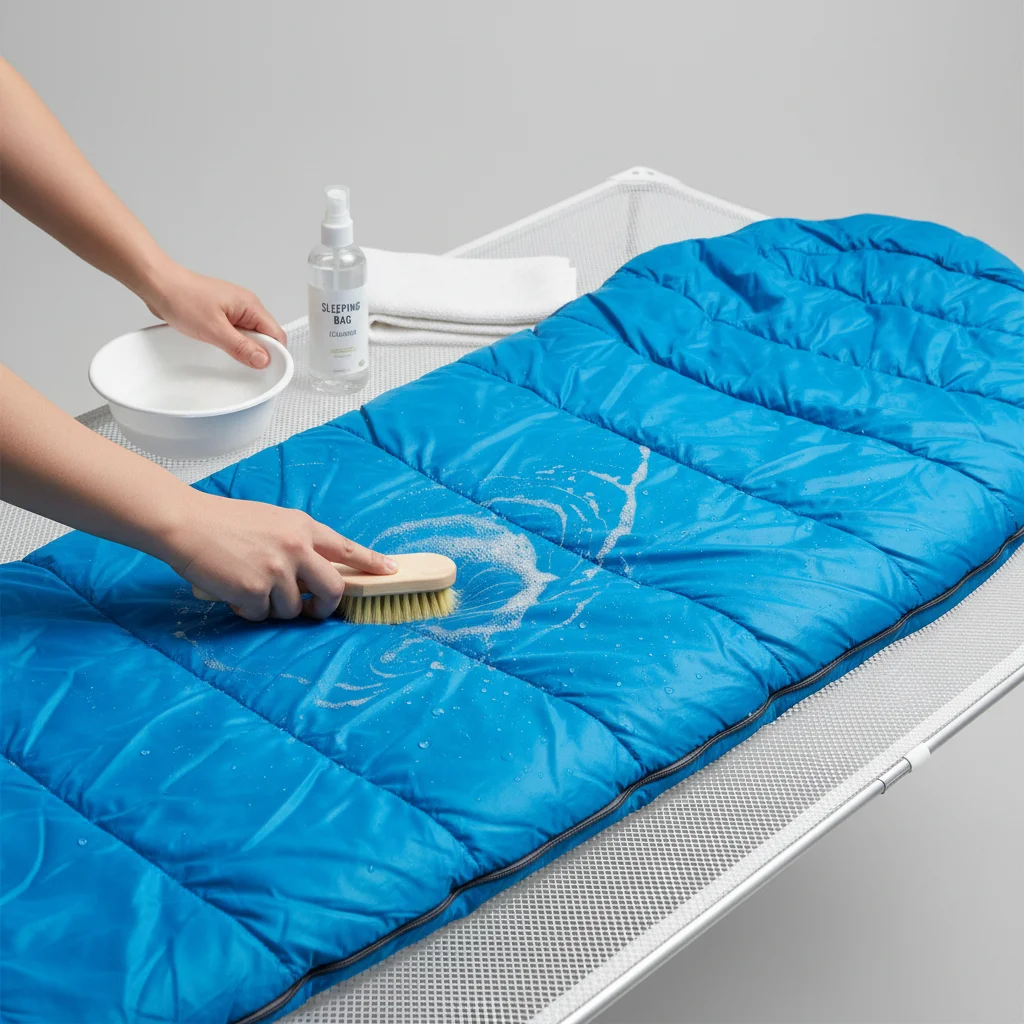
Cleaning a synthetic sleeping bag is crucial for maintaining its warmth and longevity, and it’s a straightforward process you can do at home. You should aim to clean your synthetic sleeping bag at least once a year, or after every 10-15 nights of use, to remove dirt, oils, and sweat that can degrade its insulation. Unlike down, synthetic insulation can withstand more vigorous washing, making the process less delicate but still requiring attention to detail to prevent damage.
Gather Your Cleaning Supplies
Before you begin, ensure you have the right tools. You will need a large bathtub or a front-loading washing machine (top-loaders with agitators can damage the bag), a mild detergent specifically designed for outdoor gear or a gentle, non-detergent soap, and several clean towels. Avoid harsh detergents, bleach, or fabric softeners, as these can strip the synthetic fibers of their loft and water-repellent properties. A large mesh laundry bag can also be helpful to protect the sleeping bag during machine washing.
Pre-Treating Stains and Zippers
Inspect your sleeping bag for any visible stains or heavily soiled areas. For stubborn spots, apply a small amount of your chosen mild detergent directly to the stain and gently rub it with a soft cloth or sponge. Pay close attention to the hood, collar, and footbox, which tend to accumulate more dirt and oils. Ensure all zippers are fully closed before washing to prevent snagging or damage to the zipper teeth or fabric during the cleaning process.
Washing by Hand or Machine
For hand washing, fill a bathtub with lukewarm water and add the recommended amount of mild detergent. Submerge the sleeping bag completely, gently kneading it to allow the water and soap to penetrate the insulation. Let it soak for 30-60 minutes, then drain the soapy water. Refill the tub with clean water and continue to gently press out the suds. Repeat this rinsing process several times until the water runs clear and no soap residue remains. For machine washing, place the sleeping bag in a large front-loading washer. Use a gentle cycle with cold or lukewarm water and an extra rinse cycle. Avoid the spin cycle if possible, or use the lowest spin setting to prevent excessive stress on the seams and insulation.
Drying Your Synthetic Sleeping Bag
|
Our Picks for the Best Sleeping Bag in 2026
As an Amazon Associate I earn from qualifying purchases.
|
||
| Num | Product | Action |
|---|---|---|
| 1 | BubblePanda Rayon Made from Bamboo Sleep Sack 6-12 Months 1.0 Tog Soft Toddler Sleeping Sack for Babies 2-Way Zipper Baby Wearable Blanket |

|
| 2 | Cold Weather Sleeping Bag 100% Cotton Flannel XXL for Adults Big and Tall,Free Compression Sack |
|
| 3 | MalloMe Sleeping Bags for Adults Cold Weather & Warm - Backpacking Camping Sleeping Bag for Kids 10-12, Girls, Boys - Lightweight Compact Camping Essentials Gear Accessories Hiking Sleep Must Haves |
|
| 4 | REDCAMP Cotton Flannel Sleeping Bag for Camping Backpacking, Adults Cold Weather Envelope Sleeping Bags with 2/3/4/6lbs Filling |
|
| 5 | 0 Degree Winter Sleeping Bags for Adults Camping (450GSM) - Temp Range (5F–32F) Portable Waterproof Compression Sack- Camping Sleeping Bags for Big and Tall in Env Hoodie: Backpacking Hiking 4 Season |
|
| 6 | Coleman Heritage Big & Tall 10°F Flannel Sleeping Bag, XL Sleeping Bag Fits Adults up to 6ft 7in Tall, Machine Washable, Great for Camping, Hunting, Guests, & More |
|
| 7 | Coleman Brazos 20/30°F Adult Cool-Weather Sleeping Bag with No-Snag Zipper & Stuff Sack, Machine Washable, Great for Camping, Traveling, Guests, & More |
|
| 8 | oaskys Camping Sleeping Bag - 3 Season Warm & Cool Weather - Summer Spring Fall Lightweight Waterproof for Adults Kids - Camping Gear Equipment, Traveling, and Outdoors |
|
| 9 | Coleman Brazos 20/30°F Adult Cool-Weather Sleeping Bag with No-Snag Zipper & Stuff Sack, Machine Washable, Great for Camping, Traveling, Guests, & More |
|
| 10 | MalloMe Sleeping Bags for Adults Cold Weather & Warm - Backpacking Camping Sleeping Bag for Kids 10-12, Girls, Boys - Lightweight Compact Camping Essentials Gear Accessories Hiking Sleep Must Haves |
|
Drying a synthetic sleeping bag properly is just as important as washing it. After washing, gently press out as much excess water as possible without wringing or twisting the bag. Lay the sleeping bag flat on several clean towels to absorb more moisture, then roll it up with the towels and press firmly. You can then air dry the sleeping bag by laying it flat on a clean, dry surface, ideally outdoors in the shade or indoors with good air circulation. Turn it periodically to ensure even drying. Alternatively, you can use a large commercial dryer on a very low heat setting. Add a few clean tennis balls or dryer balls to help break up clumps of insulation and restore loft. Check the bag frequently to prevent overheating, which can melt synthetic fibers. This process can take several hours, so be patient.
Restoring Loft and Storage
Once your synthetic sleeping bag is completely dry, which can take up to 24-48 hours for air drying, gently fluff it by hand to redistribute the insulation and restore its loft. Ensure there are no damp spots remaining, as this can lead to mildew. Store your clean, dry sleeping bag uncompressed in a large mesh storage sack or hung in a closet. Avoid storing it in its compression sack for extended periods, as this can permanently reduce its loft and insulating properties. Proper storage ensures your sleeping bag remains warm and ready for your next adventure.
- Use a mild, gear-specific detergent.
- Close all zippers before washing.
- Rinse thoroughly to remove all soap residue.
- Air dry or tumble dry on very low heat with dryer balls.
- Store uncompressed in a large mesh bag.
By following these steps, you can effectively clean your synthetic sleeping bag, extending its lifespan and ensuring it continues to provide optimal warmth and comfort on your camping and backpacking trips. Regular maintenance is key to preserving your gear’s performance.Investing in a good quality sleeping bag is just the first step; proper care ensures it lasts for many seasons to come.
Get our weekly buyer guide
Practical specs, not advice. Unsubscribe anytime.

I’m usually pretty lazy about cleaning my gear, but after about 12 nights of use, my sleeping bag was definitely due. I appreciated the tip about avoiding harsh detergents and fabric softeners. My bag feels like new again, and I’m confident it’ll last much longer now that I’m properly maintaining it.
This guide was super helpful! I always worried about damaging my synthetic sleeping bag, but knowing that it can withstand more vigorous washing than down made me feel better. I used a gentle, non-detergent soap and it worked perfectly. My bag feels fresh and ready for my next backpacking adventure.
I used to just spot clean my sleeping bag, but after reading about how oils and sweat can degrade the insulation, I decided to give it a full wash. I followed the advice to use a front-loading washing machine with a mild detergent for outdoor gear, and my synthetic bag came out looking and feeling so much better. It really made a difference in its loft and warmth on my last trip.
I tried cleaning my sleeping bag in the bathtub as suggested, and while it worked okay, it was a lot more effort than I expected. Getting all the soap out was a bit of a pain, and it took forever to dry. Next time, I think I’ll try to find a laundromat with a large front-loader to make the process easier. The bag does feel cleaner though.