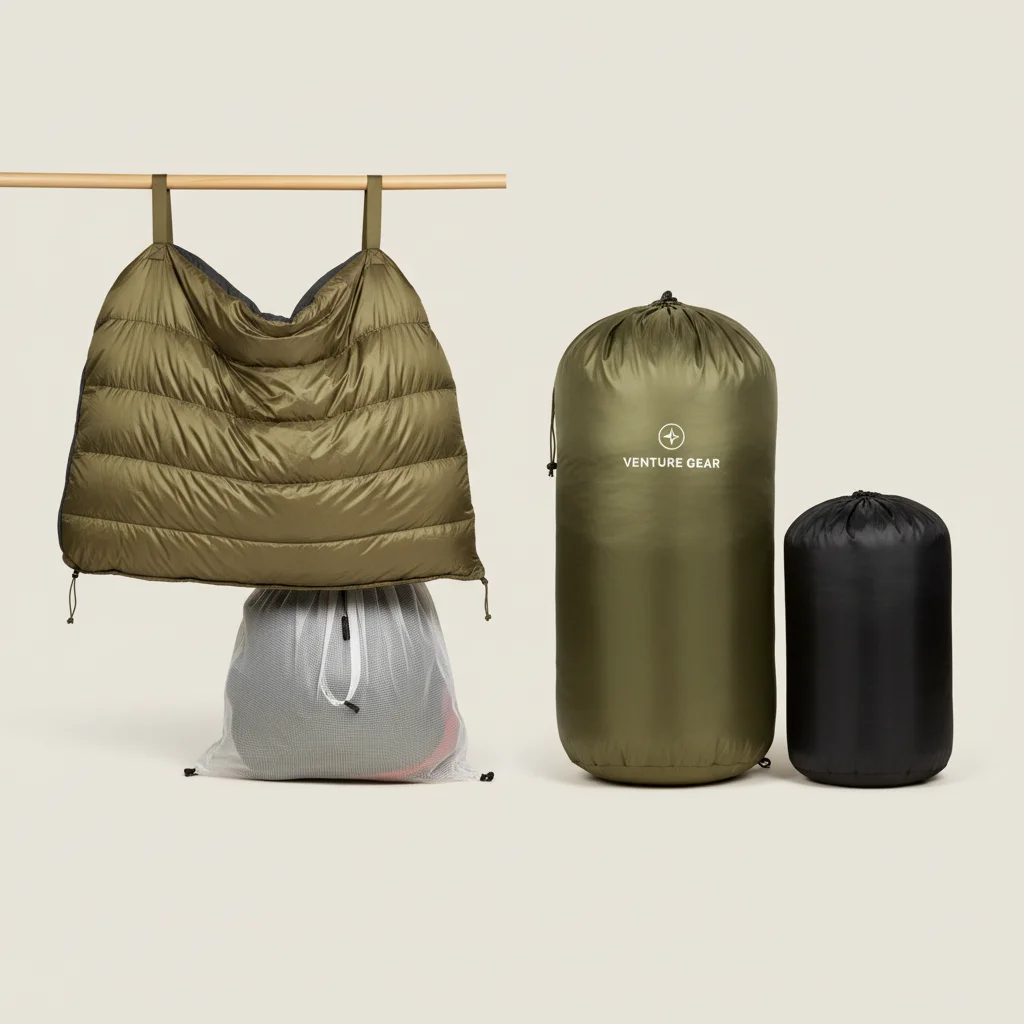
Proper sleeping bag storage is crucial for maintaining its loft, insulation, and overall lifespan. The two primary methods are hanging and using a stuff sack, with hanging generally being the superior option for long-term preservation. While a stuff sack is convenient for transport, prolonged compression can damage the insulation, especially for down-filled bags.
Why Hanging is the Best Method for Long-Term Storage
Hanging your sleeping bag allows the insulation, whether down or synthetic, to remain uncompressed. This prevents the fill from clumping and losing its ability to trap air, which is essential for warmth. When insulation is repeatedly compressed for extended periods, it can lose its loft permanently, significantly reducing the bag’s warmth rating. Use a wide hanger to distribute the weight evenly and avoid stress points on the fabric.
For optimal results, ensure the sleeping bag is completely dry before hanging. Even a small amount of moisture can lead to mildew growth, which not only smells unpleasant but can also degrade the fabric and insulation. Airing out your bag for at least 24 hours after each use, even if it feels dry, is a good practice.
The Role of Stuff Sacks and Compression Sacks
Stuff sacks and compression sacks are indispensable for backpacking and travel, offering a compact way to transport your sleeping bag. However, they are designed for temporary compression, not long-term storage. A compression sack, with its external straps, can reduce the bag’s volume by up to 50%, making it easier to fit into a backpack. While convenient on the trail, this extreme compression should be limited to the duration of your trip.
Upon returning home, immediately remove your sleeping bag from its stuff or compression sack. Allowing it to decompress and air out is the first step before any long-term storage method. Think of these sacks as travel companions, not permanent homes for your valuable gear.
Alternatives to Hanging: Large Mesh Storage Sacks
|
Our Picks for the Best Sleeping Bag in 2026
As an Amazon Associate I earn from qualifying purchases.
|
||
| Num | Product | Action |
|---|---|---|
| 1 | Coleman Heritage Big & Tall 10°F Flannel Sleeping Bag, XL Sleeping Bag Fits Adults up to 6ft 7in Tall, Machine Washable, Great for Camping, Hunting, Guests, & More |

|
| 2 | 0 Degree Winter Sleeping Bags for Adults Camping (450GSM) - Temp Range (5F–32F) Portable Waterproof Compression Sack- Camping Sleeping Bags for Big and Tall in Env Hoodie: Backpacking Hiking 4 Season |
|
| 3 | REDCAMP Cotton Flannel Sleeping Bag for Camping Backpacking, Adults Cold Weather Envelope Sleeping Bags with 2/3/4/6lbs Filling |
|
| 4 | Cold Weather Sleeping Bag 100% Cotton Flannel XXL for Adults Big and Tall,Free Compression Sack |
|
| 5 | Coleman Brazos 20/30°F Adult Cool-Weather Sleeping Bag with No-Snag Zipper & Stuff Sack, Machine Washable, Great for Camping, Traveling, Guests, & More |
|
| 6 | MalloMe Sleeping Bags for Adults Cold Weather & Warm - Backpacking Camping Sleeping Bag for Kids 10-12, Girls, Boys - Lightweight Compact Camping Essentials Gear Accessories Hiking Sleep Must Haves |
|
| 7 | MalloMe Sleeping Bags for Adults Cold Weather & Warm - Backpacking Camping Sleeping Bag for Kids 10-12, Girls, Boys - Lightweight Compact Camping Essentials Gear Accessories Hiking Sleep Must Haves |
|
| 8 | oaskys Camping Sleeping Bag - 3 Season Warm & Cool Weather - Summer Spring Fall Lightweight Waterproof for Adults Kids - Camping Gear Equipment, Traveling, and Outdoors |
|
| 9 | BubblePanda Rayon Made from Bamboo Sleep Sack 6-12 Months 1.0 Tog Soft Toddler Sleeping Sack for Babies 2-Way Zipper Baby Wearable Blanket |
|
| 10 | Coleman Brazos 20/30°F Adult Cool-Weather Sleeping Bag with No-Snag Zipper & Stuff Sack, Machine Washable, Great for Camping, Traveling, Guests, & More |
|
If hanging isn’t feasible due to space constraints, a large mesh storage sack is the next best alternative. These sacks are significantly larger than stuff sacks and allow the sleeping bag to remain mostly uncompressed, similar to how it would be if laid flat. The mesh material also promotes air circulation, further preventing moisture buildup and mildew.
- Allows insulation to maintain loft.
- Prevents permanent damage from compression.
- Promotes air circulation, reducing mildew risk.
- Ideal for both down and synthetic bags.
- Offers a good compromise between hanging and full compression.
Many high-quality sleeping bags come with a mesh storage sack in addition to a stuff sack for this very reason. If yours didn’t, they are readily available for purchase and are a worthwhile investment for the longevity of your sleeping bag.
Preparing Your Sleeping Bag for Storage
Before storing your sleeping bag, regardless of the method, ensure it is clean and completely dry. If your bag is visibly dirty or has an odor, consider washing it according to the manufacturer’s instructions. For down bags, this often involves a gentle cycle with a specialized down cleaner and thorough drying. For synthetic bags, a similar gentle approach is recommended.
Once clean and dry, give the bag a good shake to redistribute the insulation. This helps to fluff up any areas that might have become matted during use or washing. Proper preparation ensures that when you retrieve your sleeping bag for your next adventure, it will be as warm and comfortable as the day you bought it.
The Impact of Improper Storage on Sleeping Bag Performance
Improper storage, particularly prolonged compression, is one of the leading causes of premature sleeping bag failure. When the insulation loses its loft, the bag’s ability to trap warm air diminishes, leading to a colder sleep experience. This is especially critical in colder environments where every degree of warmth matters. A well-maintained sleeping bag can last for many years, providing reliable warmth and comfort on countless trips. Investing a little time in proper storage practices will save you money in the long run by extending the life of your gear and ensuring its performance when you need it most.
Get our weekly buyer guide
Practical specs, not advice. Unsubscribe anytime.
