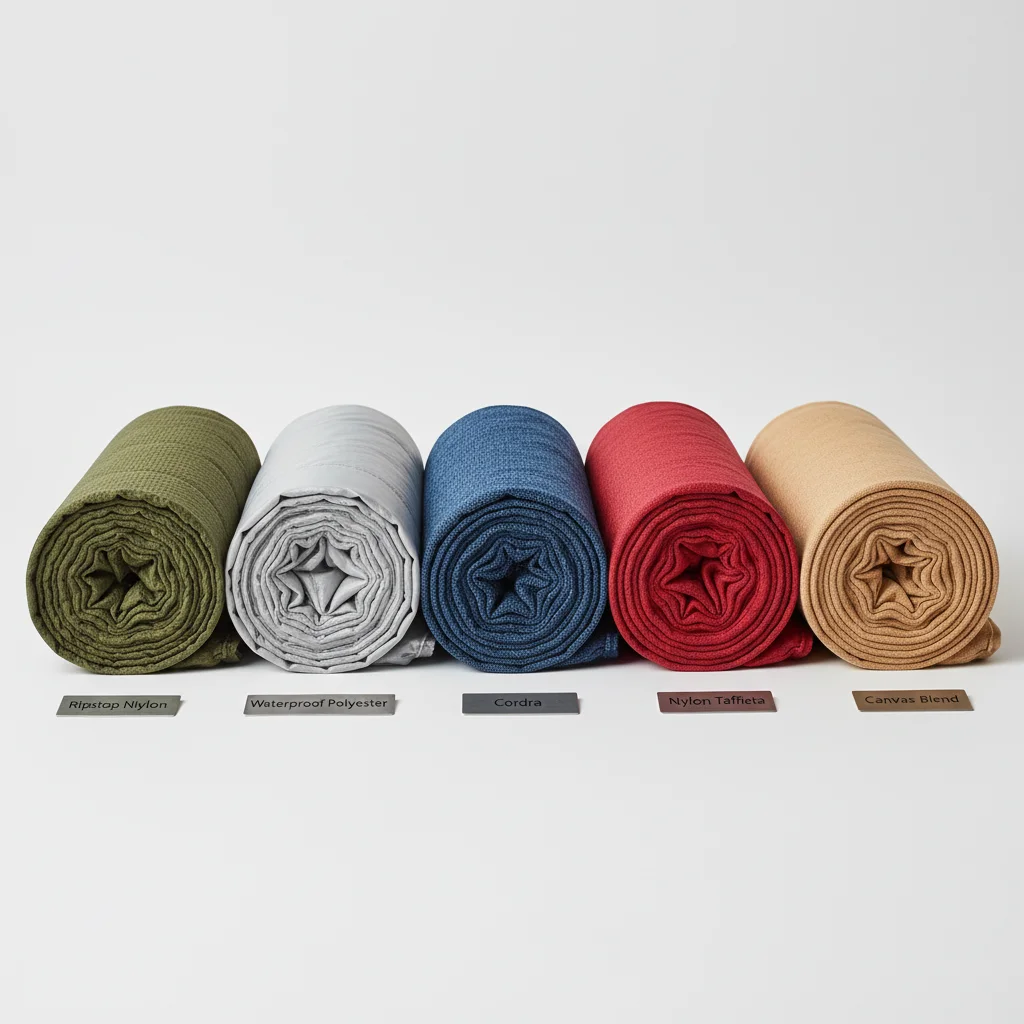
Choosing the right sleeping bag shell material is crucial for durability, weather resistance, and overall performance. There are typically five main types of fabrics used for sleeping bag shells: nylon, polyester, ripstop nylon, Pertex, and Gore-Tex. Each material offers a unique balance of weight, strength, water resistance, and breathability, making the selection dependent on your specific camping or backpacking needs and the conditions you expect to encounter.
Nylon vs. Polyester: The Basics
Nylon and polyester are the most common synthetic fabrics found in sleeping bag shells due to their excellent strength-to-weight ratio and affordability. Nylon is generally more durable and abrasion-resistant, making it a good choice for rugged use. It also tends to be softer and more pliable. Polyester, on the other hand, is more UV-resistant, meaning it holds up better to prolonged sun exposure without degrading. It’s also less prone to absorbing water, which can be an advantage in damp conditions. Many budget-friendly sleeping bags utilize these materials, often with a DWR (Durable Water Repellent) coating for added protection. For compare top sleeping bags on this site.
Ripstop Nylon: Enhanced Durability
Ripstop nylon is a variation of nylon that incorporates a special reinforcing technique, making it highly resistant to tearing and ripping. This fabric is woven with thicker, stronger threads at regular intervals, creating a grid-like pattern that prevents small tears from spreading. It’s a popular choice for backpacking sleeping bags where weight and durability are paramount. While slightly heavier than plain nylon, the added tear resistance can significantly extend the life of your sleeping bag, especially in environments with abrasive surfaces or sharp objects.
Advanced Fabrics: Pertex and Gore-Tex
For premium sleeping bags designed for extreme conditions, you’ll often find advanced fabrics like Pertex and Gore-Tex. Pertex is a brand known for its lightweight, soft, and highly breathable fabrics that are also windproof and water-resistant. There are various types of Pertex, such as Pertex Quantum for ultralight applications and Pertex Endurance for enhanced water resistance. Gore-Tex, while less common for entire sleeping bag shells due to its cost and potential for reduced breathability in some applications, is renowned for its superior waterproofing and breathability, often used in bivvy sacks or as a protective outer layer in highly specialized bags. These materials offer top-tier performance but come at a higher price point.
Key Considerations When Choosing Shell Material
|
Our Picks for the Best Sleeping Bag in 2026
As an Amazon Associate I earn from qualifying purchases.
|
||
| Num | Product | Action |
|---|---|---|
| 1 | Cold Weather Sleeping Bag 100% Cotton Flannel XXL for Adults Big and Tall,Free Compression Sack |

|
| 2 | oaskys Camping Sleeping Bag - 3 Season Warm & Cool Weather - Summer Spring Fall Lightweight Waterproof for Adults Kids - Camping Gear Equipment, Traveling, and Outdoors |
|
| 3 | Coleman Brazos 20/30°F Adult Cool-Weather Sleeping Bag with No-Snag Zipper & Stuff Sack, Machine Washable, Great for Camping, Traveling, Guests, & More |
|
| 4 | Coleman Heritage Big & Tall 10°F Flannel Sleeping Bag, XL Sleeping Bag Fits Adults up to 6ft 7in Tall, Machine Washable, Great for Camping, Hunting, Guests, & More |
|
| 5 | 0 Degree Winter Sleeping Bags for Adults Camping (450GSM) - Temp Range (5F–32F) Portable Waterproof Compression Sack- Camping Sleeping Bags for Big and Tall in Env Hoodie: Backpacking Hiking 4 Season |
|
| 6 | BubblePanda Rayon Made from Bamboo Sleep Sack 6-12 Months 1.0 Tog Soft Toddler Sleeping Sack for Babies 2-Way Zipper Baby Wearable Blanket |
|
| 7 | MalloMe Sleeping Bags for Adults Cold Weather & Warm - Backpacking Camping Sleeping Bag for Kids 10-12, Girls, Boys - Lightweight Compact Camping Essentials Gear Accessories Hiking Sleep Must Haves |
|
| 8 | REDCAMP Cotton Flannel Sleeping Bag for Camping Backpacking, Adults Cold Weather Envelope Sleeping Bags with 2/3/4/6lbs Filling |
|
| 9 | MalloMe Sleeping Bags for Adults Cold Weather & Warm - Backpacking Camping Sleeping Bag for Kids 10-12, Girls, Boys - Lightweight Compact Camping Essentials Gear Accessories Hiking Sleep Must Haves |
|
| 10 | Coleman Brazos 20/30°F Adult Cool-Weather Sleeping Bag with No-Snag Zipper & Stuff Sack, Machine Washable, Great for Camping, Traveling, Guests, & More |
|
When evaluating sleeping bag shell materials, several factors should influence your decision:
- Durability: How much abuse will your sleeping bag endure? For rugged trips, prioritize ripstop nylon or heavier denier fabrics.
- Weight: Backpackers will want lighter materials like Pertex Quantum or lighter denier nylons.
- Water Resistance: For damp climates or potential condensation, look for DWR-treated fabrics or more inherently water-resistant options like polyester or Pertex Endurance.
- Breathability: A breathable shell helps manage internal moisture, preventing clamminess and maintaining loft.
- Cost: Budget will often dictate the available material options, with advanced fabrics being more expensive.
Understanding these characteristics will help you select a sleeping bag that performs optimally for your adventures. For instance, a casual car camper might be perfectly happy with a durable polyester shell, while an alpinist would benefit from the advanced protection of a Pertex Endurance shell.Always check the specific fabric denier (a measure of thread thickness) as well, as a higher denier generally indicates greater durability.
Maintaining Your Sleeping Bag Shell
Regardless of the shell material, proper care is essential for longevity. Always store your sleeping bag loosely in a large mesh bag, not compressed in its stuff sack, to maintain the loft of the insulation and prevent stress on the fabric. Clean your sleeping bag according to the manufacturer’s instructions, typically using a front-loading washing machine with a gentle cycle and specialized down or synthetic wash. Avoid harsh detergents that can strip DWR coatings or damage the fabric fibers. For minor spills or dirt, spot cleaning is often sufficient. Regularly inspecting your sleeping bag for small tears or abrasions and repairing them promptly can prevent larger issues and extend its lifespan.A well-maintained sleeping bag, with its shell intact, will provide reliable warmth and comfort for many seasons to come.
Get our weekly buyer guide
Practical specs, not advice. Unsubscribe anytime.

I’m a big fan of Gore-Tex for rain jackets, so when I saw a sleeping bag with a Gore-Tex shell, I had to try it. The water resistance is incredible, which is perfect for the unpredictable weather we get here. It’s a bit heavier than my old bag, but knowing I’ll stay dry makes it totally worth it for those damp camping trips.
I got a sleeping bag with a polyester shell because I do a lot of summer camping and wanted something that would hold up to the sun. It’s decent, but I’ve noticed it’s a bit stiffer than some of my older bags. It does the job, but I wish it felt a little softer. Next time I might try nylon for that pliability.
I recently bought a new sleeping bag for a backpacking trip, and I’m so glad I paid attention to the shell material. The ripstop nylon on mine has been fantastic. It’s super lightweight but feels incredibly durable, even after a few nights of roughing it. Definitely recommend looking for that feature if you’re hard on your gear.
My old sleeping bag was constantly getting snagged, so when I upgraded, I specifically looked for something with better abrasion resistance. The new one has a Pertex shell, and it’s been a game-changer. It’s held up really well against branches and rocks on my last few hikes. Worth the extra cost for the peace of mind.