The best ultralight sleeping bags for backpacking balance warmth, weight, and packability, with mummy bags and quilts being top choices for their efficiency. For instance, a high-fill-power down mummy bag can offer exceptional warmth-to-weight, making it ideal for cold, fast-and-light trips. This guide explores the types, materials, and essential considerations for selecting a high-performance ultralight sleeping bag for your backcountry adventures.
Sleeping Bags: Overview and Historical Development
Sleeping bags play an indispensable role in outdoor activities, providing essential insulation and shelter for restful sleep in varying conditions. They are the cornerstone of any overnight outdoor setup, transforming uncomfortable nights into rejuvenating experiences. Modern sleeping bags are marvels of engineering, designed to balance warmth, weight, and packability.
The concept of a portable, insulated sleeping solution has evolved significantly over centuries. Early humans relied on animal skins for warmth. The modern sleeping bag’s lineage can be traced to the late 19th century, with the introduction of insulated, sewn designs. In 1876, Welsh entrepreneur Pryce Jones patented the “Euklisia Rug,” an early form of a commercial sleeping bag. Shortly after, around 1890, a Norwegian company, Ajungilak, pioneered sleeping bags with insulating fillings. The early 20th century saw the widespread adoption of down and feather fills, and by the 1960s, synthetic insulation emerged, offering alternatives with different performance characteristics. The evolution continued with the development of specialized shapes like the “mummy” design, aimed at maximizing thermal efficiency and minimizing weight, paving the way for today’s ultralight offerings.
Popular Types of Sleeping Bags
The world of sleeping bags offers a variety of designs, each with unique advantages tailored to different outdoor pursuits. For ultralight backpacking, specific types excel in balancing warmth, weight, and freedom of movement.
Mummy Sleeping Bags
Mummy sleeping bags are characterized by their contoured shape, tapering from the shoulders down to the feet, closely following the human body’s silhouette. This design minimizes dead air space, making them exceptionally efficient at trapping and retaining body heat.
- Pros: Excellent warmth-to-weight ratio, superior heat retention, highly compressible for packability.
- Cons: Can feel restrictive, limiting movement for side or active sleepers.
- Best for: Cold weather, mountaineering, fastpacking, and trekking where minimizing weight and maximizing warmth are critical.
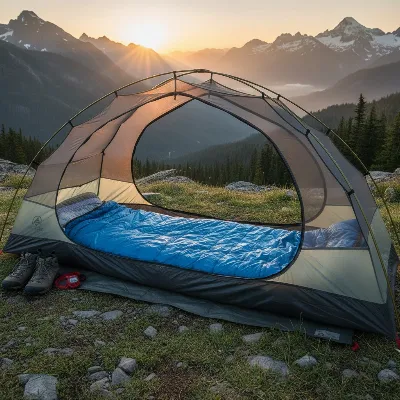 An ultralight mummy sleeping bag laid out in a minimalist tent against a scenic mountain backdrop at sunrise
Rectangular Sleeping Bags
Rectangular sleeping bags offer a spacious, non-tapered design that provides ample room for movement. While comfortable, their generous cut often comes at the cost of increased weight and reduced thermal efficiency compared to mummy bags.
- Pros: Maximum comfort and freedom of movement, versatile for various sleeping positions.
- Cons: Heavier and bulkier, less thermally efficient due to more internal air space.
- Best for: Car camping, casual outdoor trips, or warmer weather where space and comfort are prioritized over minimal weight.
Double Sleeping Bags
|
Our Picks for the Best Sleeping Bag in 2026
As an Amazon Associate I earn from qualifying purchases.
|
||
| Num | Product | Action |
|---|---|---|
| 1 | Coleman Brazos 20/30°F Adult Cool-Weather Sleeping Bag with No-Snag Zipper & Stuff Sack, Machine Washable, Great for Camping, Traveling, Guests, & More |

|
| 2 | REDCAMP Cotton Flannel Sleeping Bag for Camping Backpacking, Adults Cold Weather Envelope Sleeping Bags with 2/3/4/6lbs Filling |
|
| 3 | Cold Weather Sleeping Bag 100% Cotton Flannel XXL for Adults Big and Tall,Free Compression Sack |
|
| 4 | Coleman Heritage Big & Tall 10°F Flannel Sleeping Bag, XL Sleeping Bag Fits Adults up to 6ft 7in Tall, Machine Washable, Great for Camping, Hunting, Guests, & More |
|
| 5 | BubblePanda Rayon Made from Bamboo Sleep Sack 6-12 Months 1.0 Tog Soft Toddler Sleeping Sack for Babies 2-Way Zipper Baby Wearable Blanket |
|
| 6 | Coleman Brazos 20/30°F Adult Cool-Weather Sleeping Bag with No-Snag Zipper & Stuff Sack, Machine Washable, Great for Camping, Traveling, Guests, & More |
|
| 7 | MalloMe Sleeping Bags for Adults Cold Weather & Warm - Backpacking Camping Sleeping Bag for Kids 10-12, Girls, Boys - Lightweight Compact Camping Essentials Gear Accessories Hiking Sleep Must Haves |
|
| 8 | oaskys Camping Sleeping Bag - 3 Season Warm & Cool Weather - Summer Spring Fall Lightweight Waterproof for Adults Kids - Camping Gear Equipment, Traveling, and Outdoors |
|
| 9 | 0 Degree Winter Sleeping Bags for Adults Camping (450GSM) - Temp Range (5F–32F) Portable Waterproof Compression Sack- Camping Sleeping Bags for Big and Tall in Env Hoodie: Backpacking Hiking 4 Season |
|
| 10 | MalloMe Sleeping Bags for Adults Cold Weather & Warm - Backpacking Camping Sleeping Bag for Kids 10-12, Girls, Boys - Lightweight Compact Camping Essentials Gear Accessories Hiking Sleep Must Haves |
|
Designed for two people, double sleeping bags allow couples to share warmth and can sometimes be more efficient than carrying two separate bags. However, truly ultralight double sleeping bags are less common; instead, some ultralight couples opt for two separate quilts that can be cinched together.
- Pros: Shared warmth, potentially lighter than two individual rectangular bags, fosters closeness.
- Cons: Can be cumbersome for solo use, movement from one person can disturb the other, less common in extreme ultralight designs.
- Best for: Couples on backpacking trips where warmth sharing and comfort are desired, or for lighter-duty trips where weight is less of a concern.
Quilt Sleeping Bags
Quilts are a popular choice among ultralight backpackers due to their minimalist design, which omits a full back and often a hood, relying on the sleeping pad for insulation beneath the body. They typically feature straps or fasteners to secure them to a sleeping pad.
- Pros: Extremely lightweight and packable, offer excellent freedom of movement, versatile for layering.
- Cons: Require skill to use effectively for warmth, can be drafty if not properly secured, less effective if a sleeping pad is inadequate.
- Best for: Experienced ultralight backpackers, thru-hikers, and warm sleepers prioritizing the absolute lowest weight and pack volume.
Comparing Sleeping Bag Types (Comparison Table)
Choosing the right sleeping bag involves weighing various factors. Here’s a comparison of the popular types to help guide your decision for ultralight backpacking.
| Feature | Mummy Bag | Rectangular Bag | Double Bag | Quilt |
|---|---|---|---|---|
| Weight | Lowest (for given warmth) | Highest | High (but can be less than 2 separate bags) | Extremely Low |
| Warmth Retention | Excellent (minimal dead air) | Good (more dead air) | Good (shared body heat) | Good (relies on pad insulation) |
| Packed Size | Smallest | Largest | Large | Very Small |
| Comfort | Restrictive, snug fit | Very roomy, freedom of movement | Roomy for two, shared warmth | Very roomy, allows movement |
| Price (Ultralight) | High | Moderate (less common in ultralight) | High (less common in true ultralight) | Moderate to High (excellent warmth-to-weight) |
| Best Use | Cold, fast-and-light backpacking | Car camping, casual trips | Couples camping, warmer weather | Ultralight backpacking, thru-hiking, warm sleepers |
Common Materials Used in Sleeping Bags
The insulation and shell fabrics are critical components determining a sleeping bag’s performance, durability, and weight. Understanding these materials is essential for making an informed choice.
Down
Down insulation, derived from the soft under-plumage of geese or ducks, is the gold standard for ultralight sleeping bags due to its exceptional warmth-to-weight ratio and compressibility. Down quality is measured by “fill power” (FP), indicating how many cubic inches one ounce of down occupies when fully lofted. Higher fill power (e.g., 800-950 FP) means better insulation with less weight.
- Pros: Superior warmth-to-weight ratio, highly compressible, excellent durability with proper care.
- Cons: Loses insulating properties significantly when wet, slower to dry, typically more expensive.
- Care: Requires specialized down wash, gentle hand washing or front-loading machine, tumble drying on low with tennis balls to restore loft. Must be thoroughly dry before storage.
Synthetic
Synthetic insulation, typically made from polyester fibers, offers a more budget-friendly and moisture-resistant alternative to down. While it has improved significantly, it generally can’t match down’s warmth-to-weight ratio or compressibility.
- Pros: Retains warmth even when wet, faster drying, more affordable, easier to care for, hypoallergenic.
- Cons: Heavier and bulkier than equivalent down, can degrade faster over time with repeated compression, leading to loss of loft.
- Common Types: Polyester is the most common, with various proprietary blends like Primaloft offering enhanced performance.
- Care: Can be machine washed with mild detergent (non-agitator machine recommended), tumble dried on low heat.
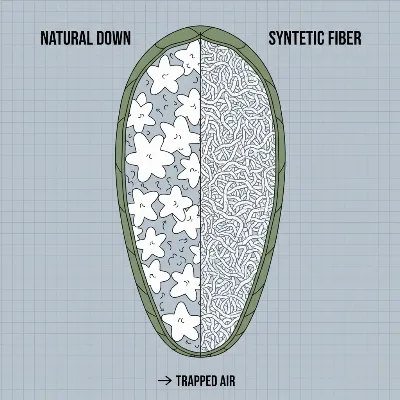 A cutaway illustration comparing down and synthetic insulation in a sleeping bag, highlighting the difference in loft and fiber structure.
Guide to Choosing a Sleeping Bag (Buying Guide)
Selecting the best ultralight sleeping bag involves a careful assessment of your needs and the conditions you expect to encounter. Consider these crucial factors to make the right choice.
Determine Usage Purpose
Your planned activities and environment are the primary drivers for selecting a sleeping bag. Are you a thru-hiker needing minimal weight for months on the trail, a weekend backpacker in moderate climates, or someone venturing into alpine environments? The duration and intensity of your trips, as well as the specific weather patterns of your chosen regions, will dictate the necessary warmth, durability, and features.
Choose the Right Temperature Rating
Sleeping bags come with temperature ratings, often standardized (like ISO 23537), though ultralight bags might use manufacturer-recommended limits. Understand the three key ratings:
- Comfort Temperature: The lowest temperature at which a “standard” woman can expect to sleep comfortably.
- Limit Temperature: The lowest temperature at which a “standard” man can sleep comfortably in a curled position for eight hours. This is often the most relevant rating for experienced male backpackers.
- Extreme Temperature: A survival rating, indicating the minimum temperature at which a “standard” woman can remain for six hours without risk of death from hypothermia, though frostbite is still possible. This should never be your target comfort range.
Always factor in your personal metabolism and how you “sleep” (warm or cold). Many prefer a bag rated 10-15 degrees Fahrenheit warmer than the lowest expected night temperatures.
Size and Style
The bag’s dimensions are crucial for comfort and thermal efficiency. Ensure the length is appropriate for your height; if your feet push against the end, it can compress insulation and create cold spots. Mummy bags offer the best warmth-to-weight but restrict movement, while quilts provide more freedom but require a good sleeping pad for bottom insulation. Some brands offer women-specific bags, which are often shorter, wider at the hips, narrower at the shoulders, and have more insulation in the footbox.
Weight and Packability
For ultralight backpacking, weight is paramount. Aim for the lightest bag that still meets your warmth and durability requirements. Check both the total weight and the packed size (how small it compresses). High-fill-power down bags typically offer the best combination of low weight and small packed volume. Consider your backpack’s capacity and how the bag will fit alongside other gear.
Budget
Ultralight sleeping bags, especially those with high-fill-power down and premium shell fabrics, can be a significant investment. Prices vary widely, but expect to pay more for top-tier performance. While tempting to save money, a quality sleeping bag is a foundational piece of gear for safety and comfort, and a worthy investment if you spend many nights outdoors. Consider the longevity; a well-cared-for down bag can last for decades, potentially making it more economical in the long run than repeatedly replacing cheaper synthetic options.
Reputable Sleeping Bag Brands
The market for ultralight sleeping bags is competitive, with several brands consistently delivering innovative and high-performance products. These manufacturers are renowned for their quality, advanced materials, and meticulous design.
- Feathered Friends: A highly respected brand known for crafting premium, ethically sourced down sleeping bags and quilts with exceptional warmth-to-weight ratios. Their bags are often considered top-tier for extreme conditions and ultralight endeavors.
- Western Mountaineering: Another leader in high-end down insulation, offering a range of ultralight mummy bags prized for their superior craftsmanship, loft, and durability. They are a go-to for serious backpackers and mountaineers.
- Sea to Summit: Known for its innovative designs and a wide array of quality outdoor gear, their Spark series is particularly popular for ultralight backpacking, offering impressive warmth and compressibility.
- Enlightened Equipment: A pioneer in the quilt movement, this brand offers highly customizable and extremely lightweight quilts that are favorites among thru-hikers for their comfort and versatility.
- Therm-a-Rest: While famous for sleeping pads, Therm-a-Rest also produces high-quality sleeping bags and quilts that integrate well with their sleep systems, focusing on lightweight and comfortable solutions.
- Mountain Hardwear: Offers robust and warm sleeping bags, including ultralight options like their Phantom series, designed for challenging conditions.
- Zpacks: An ultralight specialist, Zpacks creates minimalistic and incredibly light sleeping bags and quilts, often featuring modern materials for gram-conscious adventurers.
> “Investing in a high-quality ultralight sleeping bag is not just about comfort; it’s about investing in the success and safety of your entire backcountry experience.”
Tips for Using and Maintaining a Sleeping Bag
Proper care and usage are essential to maximize the lifespan and performance of your ultralight sleeping bag. These tips will help keep your bag in top condition for many adventures.
To maintain cleanliness and extend the life of your bag, always use a sleeping bag liner. This synthetic or silk barrier absorbs body oils and sweat, keeping the inside of your sleeping bag cleaner for longer. Air out your bag daily during your trip, especially if conditions are damp, to allow any moisture to evaporate. Avoid leaving it in direct sunlight for extended periods, as UV rays can damage the fabric. When packing, avoid rolling; instead, stuff your bag into its compression sack. This method is less strenuous on the insulation and allows it to fill available space in your pack more efficiently.
For cleaning, spot clean small dirt patches with a damp cloth and mild, non-detergent soap, trying not to wet the insulation. For a full wash, especially for down bags, use a specialized down-cleaner and either hand wash in a large tub or use an oversized, front-loading washing machine (without an agitator) on a gentle cycle with cold water. Never dry-clean, use bleach, or fabric softener. After washing, gently compress the bag to remove excess water. Drying is critical; tumble dry on the lowest heat setting in an oversized commercial dryer. Add a few clean tennis balls to help break up clumps of down and restore loft. The drying process can take several hours, and the bag must be completely dry before storage to prevent mold or mildew.
For long-term storage, always keep your sleeping bag uncompressed. Storing it compressed for extended periods can damage the insulation, reducing its loft and warmth. A large, breathable mesh or cotton storage sack is ideal, or you can hang it in a cool, dry, dark place. This allows the insulation to remain fully lofted, ready for your next adventure.
Conclusion
Choosing the best ultralight sleeping bag for backpacking is a pivotal decision that significantly impacts your comfort, safety, and overall enjoyment of the outdoors. By understanding the different types of bags, the characteristics of down and synthetic insulations, and key buying considerations like temperature ratings, weight, and fit, you can make an informed choice. Brands like Feathered Friends, Western Mountaineering, Sea to Summit, and Enlightened Equipment continue to push the boundaries of ultralight design, offering innovative solutions for every adventurer. Proper care and maintenance are equally important, ensuring your investment provides warmth and reliability for years to come. With the right ultralight sleeping bag, you’re not just prepared for a night under the stars; you’re poised for restorative sleep that fuels memorable wilderness experiences.
What essential feature do you prioritize most when selecting an ultralight sleeping bag for your adventures?
Frequently Asked Questions
How to Choose an Ultralight Sleeping Bag
Selecting the best ultralight sleeping bag involves assessing your needs, understanding temperature ratings, and considering materials to ensure comfort and safety on the trail.
Identify your planned activities and environment, such as thru-hiking or weekend trips in moderate climates. This dictates the necessary warmth, durability, and features your sleeping bag will require.
Understand Comfort and Limit temperature ratings, often standardized by ISO 23537. Many backpackers prefer a bag rated 10-15 degrees Fahrenheit warmer than the lowest expected night temperatures for optimal comfort.
Ensure the bag's length is appropriate for your height to prevent cold spots. Mummy bags offer superior warmth-to-weight but restrict movement, while quilts provide more freedom but require a good sleeping pad.
For ultralight backpacking, prioritize the lightest bag that meets your warmth and durability needs. High-fill-power down bags generally offer the best combination of low weight and small packed volume.
Ultralight sleeping bags are an investment, with prices varying based on materials like high-fill-power down. A quality bag is crucial for safety and comfort, and a well-cared-for down bag can be more economical long-term.
Get our weekly buyer guide
Practical specs, not advice. Unsubscribe anytime.

I picked up one of the quilts mentioned for a summer trip, and while it’s super light and packable, I found myself wishing for a bit more coverage on a few chilly mornings. It’s great for warmer weather and definitely saves on weight, but I think for anything below 50 degrees, I’d prefer a full mummy bag. Still, it’s a decent option if you’re really counting ounces.
I recently took the plunge and invested in a high-fill-power down mummy bag for my thru-hike, and it’s been a game-changer. The warmth-to-weight ratio is incredible, and it packs down so small, leaving plenty of room in my pack. I used to dread cold nights, but this bag keeps me toasty even when the temps drop unexpectedly. Definitely worth the investment for serious backpackers.
I’ve been looking for an ultralight sleeping bag that doesn’t break the bank, and the guide’s mention of synthetic options in a mid-range price point was really helpful. I ended up with a synthetic bag that’s surprisingly warm and durable for the price. It’s not as light as some of the down bags, but for weekend trips and occasional backpacking, it’s perfect. Great value for money.
My old sleeping bag was a beast, and I was always struggling with packability. The focus on modern sleeping bags being marvels of engineering really resonated with me. I got a new bag that’s designed for efficiency, and it’s made a huge difference in how comfortable I am on the trail. No more wrestling with a bulky bag!