Stepping into the world of outdoor adventures, a reliable sleeping bag isn’t just a piece of gear; it’s your cozy sanctuary against the elements, a promise of restorative sleep after a day on the trails. For many, the Marmot Trestles 15 Sleeping Bag has emerged as a go-to option, balancing field functionality with remarkable value. But how does this popular synthetic bag truly perform when put to the test? This article delves deep into its design, features, and real-world performance, helping you determine if it’s the right companion for your next expedition.
A Deep Dive into the Marmot Trestles 15 Sleeping Bag
The Marmot Trestles 15 has cemented its place as a classic synthetic mummy bag, continuing Marmot’s legacy of crafting dependable outdoor gear. It’s often lauded for its ability to bridge the gap between affordability and performance, making it a favorite among budget-conscious adventurers, car campers, and those new to backpacking. This sleeping bag is designed to offer a solid three-season experience, even capable of handling mild winter conditions for some users.
While not always specialized enough to be a top pick for extreme ultralight endeavors, its blend of warmth, durable materials, and thoughtful design contributes to its widespread appeal. It’s built for versatility, intended to perform reliably across a variety of conditions without breaking the bank.
Key Features and Design of the Trestles 15
Understanding the Marmot Trestles 15 begins with a closer look at its construction and the elements that define its performance. Marmot incorporates specific materials and design choices to achieve its balance of warmth, comfort, and durability.
Temperature Rating and Insulation
|
Our Picks for the Best Sleeping Bag in 2026
As an Amazon Associate I earn from qualifying purchases.
|
||
| Num | Product | Action |
|---|---|---|
| 1 | MalloMe Sleeping Bags for Adults Cold Weather & Warm - Backpacking Camping Sleeping Bag for Kids 10-12, Girls, Boys - Lightweight Compact Camping Essentials Gear Accessories Hiking Sleep Must Haves |

|
| 2 | BubblePanda Rayon Made from Bamboo Sleep Sack 6-12 Months 1.0 Tog Soft Toddler Sleeping Sack for Babies 2-Way Zipper Baby Wearable Blanket |
|
| 3 | REDCAMP Cotton Flannel Sleeping Bag for Camping Backpacking, Adults Cold Weather Envelope Sleeping Bags with 2/3/4/6lbs Filling |
|
| 4 | Coleman Brazos 20/30°F Adult Cool-Weather Sleeping Bag with No-Snag Zipper & Stuff Sack, Machine Washable, Great for Camping, Traveling, Guests, & More |
|
| 5 | Coleman Brazos 20/30°F Adult Cool-Weather Sleeping Bag with No-Snag Zipper & Stuff Sack, Machine Washable, Great for Camping, Traveling, Guests, & More |
|
| 6 | Coleman Heritage Big & Tall 10°F Flannel Sleeping Bag, XL Sleeping Bag Fits Adults up to 6ft 7in Tall, Machine Washable, Great for Camping, Hunting, Guests, & More |
|
| 7 | MalloMe Sleeping Bags for Adults Cold Weather & Warm - Backpacking Camping Sleeping Bag for Kids 10-12, Girls, Boys - Lightweight Compact Camping Essentials Gear Accessories Hiking Sleep Must Haves |
|
| 8 | oaskys Camping Sleeping Bag - 3 Season Warm & Cool Weather - Summer Spring Fall Lightweight Waterproof for Adults Kids - Camping Gear Equipment, Traveling, and Outdoors |
|
| 9 | Cold Weather Sleeping Bag 100% Cotton Flannel XXL for Adults Big and Tall,Free Compression Sack |
|
| 10 | 0 Degree Winter Sleeping Bags for Adults Camping (450GSM) - Temp Range (5F–32F) Portable Waterproof Compression Sack- Camping Sleeping Bags for Big and Tall in Env Hoodie: Backpacking Hiking 4 Season |
|
The “15” in Marmot Trestles 15 refers to its temperature rating, indicating it’s engineered for temperatures down to 15°F (-9.4°C). However, it’s crucial to understand EN (European Norm) testing standards, which specify both a Comfort Limit and a Lower Limit. For the men’s regular fit, the EN Comfort Limit is typically around 23.7°F (-4.6°C), while the EN Lower Limit is 11.8°F (-11.2°C). This means it’s generally comfortable for average male sleepers down to the mid-20s Fahrenheit, with survival possible at its 15°F rating, though perhaps not with optimal comfort. Women’s versions often have a higher comfort rating, reflecting physiological differences in how men and women perceive cold.
The Trestles 15 utilizes SpiraFil High Loft Synthetic insulation. This synthetic fill is chosen for its ability to retain warmth even when damp, a significant advantage over down insulation in wet conditions. While not as compressible or lightweight as high-end down, SpiraFil provides consistent insulation and is easier to care for, making it a practical choice for varied outdoor environments.
Material and Construction
The exterior and interior fabrics of the Trestles 15 are typically made from 70D 100% Polyester. This relatively high denier fabric contributes to the bag’s robustness and durability, offering good resistance against snags and tears—a welcome feature for active outdoor use. While this coarser weave might feel less “cozy” than some lighter, softer fabrics, it significantly enhances the bag’s longevity.
The bag features a sewn-through shingled wave construction, a design that helps keep the synthetic insulation evenly distributed to prevent cold spots and maintain warmth. It also includes a draft tube along the main zipper to prevent cold air from seeping in, although a full neck baffle, often found in bags designed for more extreme cold, is absent.
Weight and Packability
One of the most frequently discussed aspects of the Marmot Trestles 15 is its weight and packed size. Weighing around 3 lbs 6.1 oz (1.53 kg) for the regular men’s size, it’s considered lightweight for a general camping sleeping bag but can be on the heavier side for dedicated backpacking, especially on multi-day treks. Its synthetic insulation, while warm and resilient, is inherently thicker and less compressible than down. This means the Trestles 15 can take up a significant amount of space in a backpack, often resembling a “bowling ball” even when packed into a compression sack. For backpackers prioritizing minimal weight and volume, this might be a notable consideration.
Shape and Comfort
The Trestles 15 sports a mummy shape, which is efficient for retaining body heat by minimizing dead air space. However, Marmot designed it with a roomy mummy cut, allowing for more movement compared to other narrowly cut mummy bags. This extra space makes it comfortable for side-sleepers or individuals with broader shoulders, preventing a claustrophobic feeling.
A standout feature is its dual-zipper system: a full-length, two-way main zipper and a shorter, quarter-length secondary zipper on the opposite side. This innovative design offers exceptional ventilation options, allowing users to open the bag partially from either side to regulate temperature or even fold it down like a comforter for warmer nights. The main zipper also typically extends around the footbox, providing additional venting. While the zippers are generally effective, some users have reported occasional snags, though the design incorporates a stiff ribbon on the draft tube to mitigate this. The hood is adjustable with bungee cinches, providing a snug fit to trap heat around the head, and a small zippered stash pocket is a convenient addition for small items like a phone or headlamp.
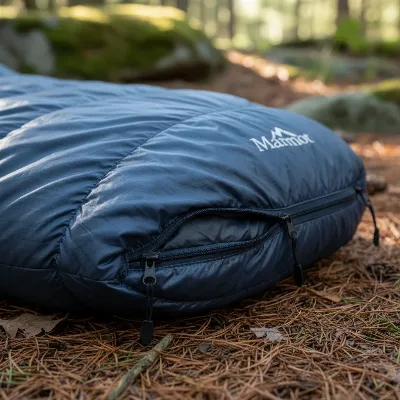 Marmot Trestles 15 sleeping bag with its innovative two-zipper design
Performance in the Field: Real-World Experience
Beyond specifications, the true measure of a sleeping bag lies in its performance during actual outdoor use. The Marmot Trestles 15 has garnered a reputation for reliable performance, particularly for its warmth-to-price ratio.
Warmth and Thermal Efficiency
Many users attest to the Trestles 15’s warmth, finding it suitable for its advertised temperature rating, especially when combined with an appropriate sleeping pad and layering. It has been reported to keep campers warm in temperatures as low as 18°F and even down to 11°F with proper layering. The synthetic insulation performs commendably in cool and damp conditions, a scenario where down bags might lose their loft and insulating power. However, some “cold sleepers,” particularly women, might find it less effective at the extreme end of its rating and might prefer additional layers or a warmer bag for colder nights. The roomy cut, while comfortable, can mean that smaller or colder sleepers might take longer to warm up the internal space.
Durability and Longevity
Constructed with durable 70D polyester fabrics, the Trestles 15 is built to withstand the rigors of regular outdoor use. Reviewers frequently praise its overall construction quality, reporting minimal wear even after several years and dozens of nights in the field. The synthetic fill is also noted for retaining its loft well over time, especially when properly stored (uncompressed when not in use). While some minor stitching issues have been reported, the bag generally holds up to normal wear and tear, reinforcing its value proposition.
Moisture Resistance
One of the most significant advantages of synthetic insulation like Marmot’s SpiraFil is its inherent resistance to moisture. Unlike down, which can lose virtually all its insulating properties when wet, synthetic fibers maintain a good portion of their warmth even when damp. This makes the Trestles 15 an excellent choice for environments prone to rain, condensation, or high humidity, offering peace of mind that you’ll stay warm and dry even if your tent springs a leak or a morning dew settles on your bag.
Comfort and Sleep Quality
The roomy mummy cut is a consistent highlight for comfort, allowing sleepers to shift positions without feeling constricted. The two-way adjustable hood and the innovative dual-zipper system further enhance comfort by allowing precise temperature regulation. Users appreciate the ability to vent from either side or to fold the top down like a blanket, which significantly improves versatility in varying temperatures. The smooth polyester lining also contributes to a pleasant sleeping experience. The integrated stash pocket for essentials like a headlamp or phone adds a touch of convenience, enhancing overall sleep quality in the backcountry.
Pros and Cons of the Marmot Trestles 15
Like any piece of gear, the Marmot Trestles 15 has its strengths and weaknesses, which are crucial to consider based on your specific needs.
Advantages
- Excellent Value: Often available at a price point well below comparable down bags, offering significant “bang for the buck” for its performance.
- Reliable Warmth: Provides consistent warmth, often living up to its 15°F rating for average sleepers, especially when used with a good sleeping pad.
- Moisture Performance: Synthetic insulation excels in damp or wet conditions, maintaining warmth even if it gets wet.
- Durability: Robust 70D polyester fabrics contribute to a long lifespan, resisting wear and tear from outdoor use.
- Versatile Ventilation: The unique dual-zipper system allows for excellent temperature regulation and flexibility, making it comfortable across a wider range of temperatures.
- Roomy Comfort: A wider mummy cut provides ample space for movement, appealing to side sleepers and those who feel constricted in traditional mummy bags.
Considerations
- Weight: At around 3 lbs 6.1 oz for a regular size, it’s heavier than many down bags with a similar temperature rating, which can be a drawback for ultralight backpackers.
- Bulkiness: The synthetic insulation, while effective, does not compress as small as down, leading to a larger packed size that can consume significant backpack space.
- Zipper Snags: While efforts are made to mitigate them, some users still report occasional zipper snags, which can be frustrating.
- No Full Draft Collar: Lacks a comprehensive neck baffle, which might be a minor concern for some in very cold conditions, potentially allowing warm air to escape.
- Not for Extreme Cold: While rated to 15°F, it’s generally considered a 3-season bag and might not provide sufficient warmth for very cold sleepers or consistently below-freezing temperatures without additional layering or a warmer sleeping pad.
Who is the Marmot Trestles 15 Sleeping Bag For?
The Marmot Trestles 15 is an ideal choice for:
- Car Campers: Its comfort, warmth, and excellent value make it perfect for campground stays where weight and packed size are less critical.
- New or Infrequent Backpackers: Provides a reliable entry-level option for those exploring multi-day trips without a hefty investment, especially if prioritizing durability and moisture resistance.
- Budget-Conscious Adventurers: Offers quality performance at an accessible price point, making it a smart choice for equipping yourself for the outdoors.
- Paddlers or those in Damp Climates: The synthetic insulation’s performance when wet is a significant advantage in rainy or humid conditions where down might fail.
- “Warm Sleepers”: Individuals who naturally sleep warm will find it comfortable well into its lower temperature limits.
- Those with Down Allergies: A high-performing synthetic alternative for individuals sensitive to down.
Comparing the Trestles 15 to Competitors
In the competitive market of 15-degree synthetic sleeping bags, the Marmot Trestles 15 stands out primarily for its exceptional value and reliable wet-weather performance. While bags like the North Face Cat’s Meow or some Kelty models offer similar temperature ratings, the Trestles 15 often wins on price without significantly compromising on warmth or features for its class. Its dual-zipper system also provides a ventilation advantage that many other entry-level synthetic bags lack, enhancing user comfort across varied temperatures. However, for those prioritizing ultralight and ultra-packable gear for demanding backcountry trips, more expensive down alternatives or Marmot’s own Trestles Elite line might be preferred, as they offer better weight-to-warmth ratios and compressibility. The Trestles 15 finds its niche as a robust, dependable, and budget-friendly workhorse, particularly suited for those who value resilience and comfort over minimal ounces.
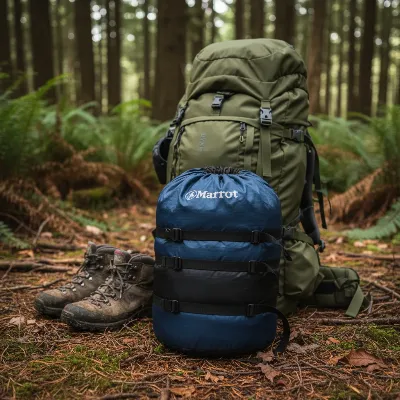 A Marmot Trestles 15 sleeping bag, rolled up and partially compressed next to a standard backpack
Tips for Maximizing Your Trestles 15 Performance
To get the most out of your Marmot Trestles 15 Sleeping Bag and ensure its longevity, consider these practical tips:
- Pair with a Good Sleeping Pad: The insulation of a sleeping bag is compressed beneath you, so a well-insulated sleeping pad is crucial to prevent heat loss to the cold ground.
- Layer Appropriately: Wear clean, dry base layers for colder nights. Avoid cotton, which absorbs moisture and loses insulating properties.
- Ventilation is Key: Utilize the dual-zipper system to regulate your temperature. On warmer nights, partially opening one or both zippers can prevent overheating.
- Store Properly: When not in use, store your sleeping bag uncompressed in a large mesh storage sack or hung loosely. This helps the synthetic insulation maintain its loft and insulating power over time. Avoid storing it tightly packed in its stuff sack for extended periods.
- Clean Sparingly: Spot clean small spills. For a full wash, follow Marmot’s instructions, typically using a front-loading washing machine with a mild, non-detergent soap, and air dry thoroughly.
- Dry Damp Bags: If your bag gets damp, air it out thoroughly as soon as possible. Even synthetic insulation performs better when dry.
“A good sleeping bag is an investment, but the Marmot Trestles 15 shows that exceptional performance doesn’t always demand an exorbitant price tag. It’s about finding the right tool for your adventure.” – Sarah Jenkins, Outdoor Gear Reviewer
Conclusion
The Marmot Trestles 15 Sleeping Bag consistently proves itself as a valuable and reliable companion for a wide range of outdoor enthusiasts. Its synthetic insulation offers impressive warmth and crucial performance in damp conditions, while the thoughtful dual-zipper design and roomy mummy cut prioritize user comfort and versatility. Although its weight and packed size might not suit ultralight endeavors, its exceptional durability and attractive price point make it an outstanding choice for car camping, new backpackers, and anyone seeking a dependable, long-lasting sleeping bag that punches above its weight.
When you’re looking for that perfect blend of warmth, resilience, and affordability, the Trestles 15 often emerges as a clear frontrunner. Will the Marmot Trestles 15 be the foundation of your most comfortable nights under the stars?
Frequently Asked Questions
What is the true temperature rating of the Marmot Trestles 15?
The Marmot Trestles 15 has an EN Lower Limit of 15°F (-9.4°C), meaning an average male can survive down to this temperature. Its EN Comfort Limit is closer to 23.7°F (-4.6°C) for men, indicating a comfortable sleeping temperature for most users.
Is the Marmot Trestles 15 suitable for backpacking?
Yes, it is suitable for backpacking, especially for those new to it or on a budget. However, its synthetic insulation makes it heavier and bulkier than comparable down bags, which might be a consideration for experienced ultralight backpackers or long thru-hikes.
How do you clean a Marmot Trestles 15 Sleeping Bag?
For a full cleaning, use a large, front-loading washing machine with a mild, non-detergent soap designed for outdoor gear. Wash on a gentle cycle with cold water, then rinse thoroughly multiple times. Air dry completely by laying it flat or hanging it in a well-ventilated area, fluffing periodically to prevent clumping of insulation.
Can two Marmot Trestles 15 bags zip together?
Yes, the Marmot Trestles 15 features a mateable primary zipper, allowing two compatible bags (one with a left zipper and one with a right zipper) to be zipped together to form a double-wide sleeping system, ideal for couples.
What are the main advantages of synthetic insulation over down in this bag?
The primary advantages of the Trestles 15’s synthetic insulation are its ability to retain warmth even when wet, its lower cost, and its easier maintenance. This makes it a more forgiving option in damp conditions compared to down.
