Few things are as disappointing as pulling out your trusty sleeping bag, only to find it flat, lifeless, and unable to provide the warmth you remember. Whether it is a result of long-term storage in a stuff sack or accumulated grime from countless adventures, a compressed sleeping bag loses its ability to insulate effectively. But before you consider replacing it, there is good news: restoring the lost loft to an old sleeping bag is often a straightforward DIY process. With a few simple steps and a bit of patience, you can bring your beloved gear back to life, ensuring cozy nights on your next outdoor excursion.
Understanding Sleeping Bag Loft: Why It Matters and How It’s Lost
At its core, a sleeping bag’s warmth comes from its “loft” – the fluffiness and thickness of its insulation. This loft creates countless tiny air pockets that trap warm air, forming a barrier against the cold outside. Without adequate loft, cold air can easily penetrate the bag, diminishing its insulating power. This is why a flat, deflated sleeping bag feels colder, even if its temperature rating suggests otherwise.
Several factors contribute to loft loss. The most common culprit is prolonged compression in a stuff sack, which crushes the insulation fibers or down clusters, preventing them from fully expanding. Over time, this compression can lead to permanent damage. Another significant factor is dirt, body oils, and sweat. These substances can coat the individual fibers or down plumes, causing them to clump together and lose their ability to trap air efficiently. Moisture, whether from rain or condensation, can also weigh down insulation, leading to decreased loft and potential mildew issues if not dried properly.
Initial Steps to Revive Your Sleeping Bag’s Fluff
Before diving into a full wash, you can often restore some loft with less intensive methods. These initial steps are particularly effective for bags that have simply been stored compressed for too long, rather than being heavily soiled.
The Simple Shake and Air-Out Method
|
Our Picks for the Best Sleeping Bag in 2026
As an Amazon Associate I earn from qualifying purchases.
|
||
| Num | Product | Action |
|---|---|---|
| 1 | BubblePanda Rayon Made from Bamboo Sleep Sack 6-12 Months 1.0 Tog Soft Toddler Sleeping Sack for Babies 2-Way Zipper Baby Wearable Blanket |

|
| 2 | MalloMe Sleeping Bags for Adults Cold Weather & Warm - Backpacking Camping Sleeping Bag for Kids 10-12, Girls, Boys - Lightweight Compact Camping Essentials Gear Accessories Hiking Sleep Must Haves |
|
| 3 | Coleman Brazos 20/30°F Adult Cool-Weather Sleeping Bag with No-Snag Zipper & Stuff Sack, Machine Washable, Great for Camping, Traveling, Guests, & More |
|
| 4 | oaskys Camping Sleeping Bag - 3 Season Warm & Cool Weather - Summer Spring Fall Lightweight Waterproof for Adults Kids - Camping Gear Equipment, Traveling, and Outdoors |
|
| 5 | MalloMe Sleeping Bags for Adults Cold Weather & Warm - Backpacking Camping Sleeping Bag for Kids 10-12, Girls, Boys - Lightweight Compact Camping Essentials Gear Accessories Hiking Sleep Must Haves |
|
| 6 | REDCAMP Cotton Flannel Sleeping Bag for Camping Backpacking, Adults Cold Weather Envelope Sleeping Bags with 2/3/4/6lbs Filling |
|
| 7 | Coleman Brazos 20/30°F Adult Cool-Weather Sleeping Bag with No-Snag Zipper & Stuff Sack, Machine Washable, Great for Camping, Traveling, Guests, & More |
|
| 8 | Cold Weather Sleeping Bag 100% Cotton Flannel XXL for Adults Big and Tall,Free Compression Sack |
|
| 9 | 0 Degree Winter Sleeping Bags for Adults Camping (450GSM) - Temp Range (5F–32F) Portable Waterproof Compression Sack- Camping Sleeping Bags for Big and Tall in Env Hoodie: Backpacking Hiking 4 Season |
|
| 10 | Coleman Heritage Big & Tall 10°F Flannel Sleeping Bag, XL Sleeping Bag Fits Adults up to 6ft 7in Tall, Machine Washable, Great for Camping, Hunting, Guests, & More |
|
Sometimes, all a sleeping bag needs is a little room to breathe and stretch out. Start by giving your sleeping bag a vigorous shake from all directions, much like you would fluff a pillow. Then, lay it out flat in a warm, dry area for at least 30 minutes to an hour. A bed, a clean floor, or even draped over a clothesline (indoors) works well. Gently fluff the insulation by hand, working any visible flat spots or clumps. This allows the insulation to begin expanding on its own, trapping air and regaining some of its natural volume.
Tumble Drying with Tennis Balls: A Quick Fix
If the initial shake and air-out does not completely revive your bag, the dryer can be your next best friend. Place your sleeping bag in a large capacity tumble dryer. Crucially, use a no-heat or air-only setting. High heat can easily melt synthetic shells or damage down, so always err on the side of caution. Toss in two to four clean tennis balls or specialized dryer balls. These objects will gently beat against the sleeping bag, helping to break up any clumps in the insulation and redistributing it evenly, allowing it to fluff up. Run the dryer for 30 minutes to an hour, checking the bag periodically.
Deep Cleaning: The Ultimate Loft Restoration
When simple fluffing is not enough, or if your sleeping bag is visibly dirty, a thorough wash is necessary. This process removes oils and dirt that are weighing down the insulation, freeing it to expand.
Preparing Your Sleeping Bag for Washing
Before washing, always check the manufacturer’s care label, as specific instructions can vary. Fasten all zippers and velcro closures to prevent snagging. If there are any rips or tears, repair them before washing to avoid further damage or insulation loss during the cycle. For down sleeping bags, it is highly recommended to use a specialty down-specific cleaner, which is formulated to clean down without stripping its natural oils. Regular detergents can leave residues that further compress down or damage water-repellent treatments. For synthetic bags, a mild technical fabric wash or even a small amount of gentle, non-detergent soap can be used.
Washing Down Sleeping Bags Safely
Down sleeping bags are delicate and require careful handling. Use a large-capacity, front-loading washing machine. Avoid top-loaders with agitators, as these can be too harsh and tear baffles or clump down severely. Select a gentle cycle with cold water. It is essential to run several rinse cycles to ensure all soap residue is completely removed, as any leftover cleaner can hinder loft. Be extremely cautious when removing a wet down bag from the washer; it will be very heavy and fragile. Support its weight fully to avoid tearing the internal baffles.
Washing Synthetic Sleeping Bags Effectively
Synthetic sleeping bags are generally more robust than down and can withstand a similar washing process. Again, a large-capacity, front-loading washing machine on a gentle cycle with cold water is ideal. While a specialty synthetic wash is best, a small amount of mild, non-detergent soap can work. Ensure thorough rinsing to remove all soap, which can compromise the insulation’s performance. Although less prone to tearing when wet, still handle a wet synthetic bag with care.
The Critical Drying Process for Loft Restoration
The drying process is arguably the most crucial step in restoring loft and can take several hours. Transfer your washed sleeping bag to a large tumble dryer. Again, use a low heat or air-only setting. High heat is the enemy here and can melt synthetic fibers or damage delicate down. Add two to four clean tennis balls or dryer balls to the dryer. These will help to break up wet clumps of insulation and distribute them evenly, promoting maximum loft.
Periodically, every 30-60 minutes, remove the sleeping bag from the dryer. Gently pat and fluff it by hand, breaking up any remaining clumps of insulation. This manual action is vital to ensure an even distribution and full loft recovery. Continue this process until the sleeping bag is completely dry. Any residual moisture can lead to mildew and further loft loss. This can take several hours, sometimes up to six to eight hours, depending on the bag’s size and fill type. Be patient; a fully dry bag is key to successful loft restoration.
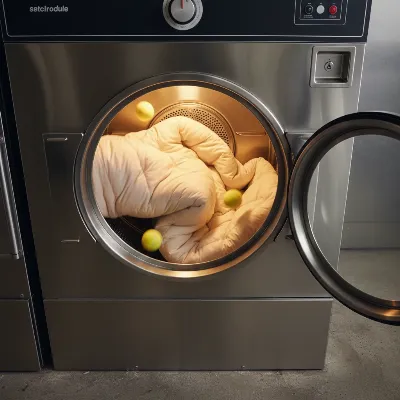 Sleeping bag tumbling in a dryer with tennis balls to restore loft.
Maintaining Loft: Prevention is Key
Once you have successfully restored your sleeping bag’s loft, maintaining it is crucial for its longevity and performance. Proper care and storage can significantly extend the life of your bag and minimize the need for frequent deep cleaning.
Proper Storage Techniques
The number one rule for sleeping bag care is never to store it compressed in its stuff sack for long periods. Stuff sacks are designed for temporary compression during transport, not long-term storage. Instead, store your sleeping bag uncompressed in a large, breathable mesh storage sack or a loose cotton bag. If space allows, hanging it freely in a closet on a wide hanger is an excellent option. This allows the insulation to remain fully lofted and breathe, preventing compression and moisture build-up.
Post-Adventure Care
After each trip, do not immediately stuff your sleeping bag into its sack. Instead, air it out thoroughly. Hang it in a dry, well-ventilated area to allow any moisture (from body sweat or condensation) to evaporate completely. If there are any visible dirty spots, address them promptly with spot cleaning rather than waiting for a full wash. Using a sleeping bag liner is also a highly effective way to protect your bag from body oils, sweat, and dirt, as the liner can be washed much more frequently and easily than the bag itself.
When Your Sleeping Bag Might Be Beyond Restoration
While many sleeping bags can regain significant loft through proper care and washing, there are instances where a bag might be beyond DIY restoration. If, after multiple attempts at washing, drying, and fluffing, your sleeping bag remains stubbornly flat, or if you still see light shining through thin spots when held up to a window, it may indicate permanent damage to the insulation. Extremely old bags, or those with very low-quality fill, might simply have reached the end of their lifespan. In such cases, the insulation fibers or down clusters may have broken down irreversibly, and the bag will no longer provide adequate warmth. Investing in a new sleeping bag might be the most practical and comfortable solution for your future adventures.
> “A well-maintained sleeping bag is an investment that pays off in countless comfortable nights under the stars. Taking the time to care for it properly ensures those memories are always warm ones.” – Alex Johnson, Outdoor Gear Specialist
Conclusion
Restoring the loft of an old sleeping bag is a rewarding process that can breathe new life into your essential camping gear. By understanding the importance of loft and the reasons it is lost, you can effectively apply simple techniques like airing out and tumble drying with tennis balls, or more intensive methods such as a thorough, careful wash. Remember that patience is key, especially during the drying phase, to ensure your bag is completely dry and fluffy. With proper storage and consistent post-trip care, you can maintain your sleeping bag’s insulating power for many adventures to come. So, next time you pull out a flat sleeping bag, will you take on the challenge of restoration, or let its warmth dwindle?
Câu Hỏi Thường Gặp
How often should I wash my sleeping bag to maintain its loft?
The frequency depends on usage. For casual use (a few times a year), washing every 2-3 years might suffice. For frequent users or if the bag feels noticeably flat or dirty, wash it once a year or as needed. Over-washing can diminish its lifespan, so focus on proper storage and spot cleaning between washes.
Can I use regular laundry detergent to wash my sleeping bag?
It is generally not recommended, especially for down sleeping bags. Regular detergents can strip natural oils from down, or leave residues on both down and synthetic insulation, which can reduce loft and make the bag feel stiff. Use specialty down wash for down bags and a technical fabric wash or a very mild, non-detergent soap for synthetic bags.
What if my sleeping bag still has clumps after drying?
If clumps persist after drying, gently try to break them up by hand. You can also re-tumble dry the bag on an air-only setting with tennis balls, specifically focusing on the clumpy areas. Ensure the bag is truly dry inside, as residual moisture is a common cause of stubborn clumps.
Is it okay to hang my sleeping bag in the closet by its shell?
While hanging is good for long-term storage, avoid hanging it by the shell fabric, as this can stretch or damage the material over time, especially if the bag is heavy. Instead, use wide-shouldered hangers or a hanger with clips to secure the bag by its ends or hang it inside a breathable storage sack.
Can I restore the loft of a synthetic sleeping bag in the same way as a down bag?
Yes, many of the restoration techniques, such as airing out, tumble drying with tennis balls (on low or no heat), and gentle washing, apply to both synthetic and down sleeping bags. Synthetic insulation tends to be more resilient to moisture than down, but proper drying is still essential to prevent mildew and ensure maximum loft.
