Waking up after a night under the stars, your sleeping bag is a cozy sanctuary, but over time, it accumulates dirt, body oils, and grime. The thought of cleaning this essential piece of camping gear can be daunting, leading many to wonder if machine washing at home is even an option. The good news is, for most sleeping bags, a proper machine wash can effectively restore its loft and insulating power, ensuring it stays fresh for many adventures to come. This guide will walk you through the process, providing all the tips and tricks you need to safely clean your sleeping bag right from your laundry room.
Understanding Your Sleeping Bag: Down vs. Synthetic
Before you embark on the washing journey, it’s crucial to understand the type of insulation your sleeping bag uses, as this dictates specific care requirements. The two primary types are down and synthetic, each with distinct properties that affect the washing process. Knowing your bag’s material will help you choose the correct detergent and drying method, preventing damage and preserving its performance.
Down Sleeping Bags
|
Our Picks for the Best Sleeping Bag in 2026
As an Amazon Associate I earn from qualifying purchases.
|
||
| Num | Product | Action |
|---|---|---|
| 1 | Coleman Brazos 20/30°F Adult Cool-Weather Sleeping Bag with No-Snag Zipper & Stuff Sack, Machine Washable, Great for Camping, Traveling, Guests, & More |

|
| 2 | oaskys Camping Sleeping Bag - 3 Season Warm & Cool Weather - Summer Spring Fall Lightweight Waterproof for Adults Kids - Camping Gear Equipment, Traveling, and Outdoors |
|
| 3 | BubblePanda Rayon Made from Bamboo Sleep Sack 6-12 Months 1.0 Tog Soft Toddler Sleeping Sack for Babies 2-Way Zipper Baby Wearable Blanket |
|
| 4 | REDCAMP Cotton Flannel Sleeping Bag for Camping Backpacking, Adults Cold Weather Envelope Sleeping Bags with 2/3/4/6lbs Filling |
|
| 5 | Coleman Brazos 20/30°F Adult Cool-Weather Sleeping Bag with No-Snag Zipper & Stuff Sack, Machine Washable, Great for Camping, Traveling, Guests, & More |
|
| 6 | Cold Weather Sleeping Bag 100% Cotton Flannel XXL for Adults Big and Tall,Free Compression Sack |
|
| 7 | Coleman Heritage Big & Tall 10°F Flannel Sleeping Bag, XL Sleeping Bag Fits Adults up to 6ft 7in Tall, Machine Washable, Great for Camping, Hunting, Guests, & More |
|
| 8 | 0 Degree Winter Sleeping Bags for Adults Camping (450GSM) - Temp Range (5F–32F) Portable Waterproof Compression Sack- Camping Sleeping Bags for Big and Tall in Env Hoodie: Backpacking Hiking 4 Season |
|
| 9 | MalloMe Sleeping Bags for Adults Cold Weather & Warm - Backpacking Camping Sleeping Bag for Kids 10-12, Girls, Boys - Lightweight Compact Camping Essentials Gear Accessories Hiking Sleep Must Haves |
|
| 10 | MalloMe Sleeping Bags for Adults Cold Weather & Warm - Backpacking Camping Sleeping Bag for Kids 10-12, Girls, Boys - Lightweight Compact Camping Essentials Gear Accessories Hiking Sleep Must Haves |
|
Down-filled sleeping bags are renowned for their superior warmth-to-weight ratio and compressibility. The insulation comes from the soft, fluffy clusters found beneath the feathers of ducks or geese. These clusters trap air efficiently, creating excellent thermal barriers. However, down is delicate and can clump when wet, requiring specialized care to maintain its loft and insulating capabilities. Using a down-specific detergent is essential to avoid stripping the natural oils from the down, which are vital for its performance.
Synthetic Sleeping Bags
Synthetic sleeping bags utilize man-made fibers like polyester to mimic the insulating properties of down. While often heavier and less compressible than down, synthetic insulation offers excellent performance in wet conditions, retaining much of its warmth even when damp. Synthetic bags are generally more resilient and forgiving to wash. They can often be cleaned with a mild technical cleaner or a gentle detergent, and their fibers are less prone to clumping than down.
Is Machine Washing Your Sleeping Bag Safe?
The short answer is yes, for most sleeping bags, machine washing at home is perfectly safe and often recommended to maintain its loft and insulation. Regular cleaning removes the buildup of dirt, body oils, and sweat that can otherwise compromise your bag’s warmth over time. However, there’s a critical caveat: the type of washing machine you use.
Always use a front-loading washing machine. Top-loading machines with a central agitator can be too harsh, potentially damaging seams, ripping fabric, or displacing insulation. If you only have access to a top-loader with an agitator at home, consider hand washing or taking your bag to a laundromat with commercial-sized, front-loading machines. These larger machines also offer more space for the bag to move freely, ensuring a more thorough clean and rinse.
Essential Supplies for Washing Your Sleeping Bag
Gathering the right tools before you start will make the process smoother and more effective. Having everything on hand ensures you can move through each step without interruption, minimizing the time your sleeping bag spends wet.
Here’s what you’ll need:
- Large Front-Loading Washing Machine: As discussed, this is non-negotiable for safe machine washing.
- Specialized Detergent:
- For down bags: Use a down-specific cleaner (e.g., Nikwax Down Wash Direct).
- For synthetic bags: Use a technical gear wash or a mild, non-detergent soap.
- Avoid harsh detergents, fabric softeners, or bleach, as these can damage insulation and fabrics.
- Clean Tennis Balls or Dryer Balls: Essential for drying, especially for down bags, to break up clumps and restore loft.
- Large Dryer (or ample space for air-drying): A commercial-sized dryer is ideal, but a large home dryer on a low setting can work.
- Stain Pre-treatment: For any stubborn spots.
Step-by-Step Guide to Machine Washing Your Sleeping Bag
Cleaning your sleeping bag at home doesn’t have to be a daunting task. By following these steps carefully, you can ensure a thorough yet gentle cleaning that preserves your bag’s integrity and warmth. The key is patience and attention to detail, especially during the washing and rinsing cycles.
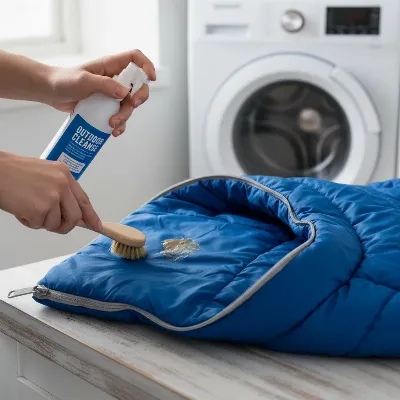 Preparing a sleeping bag for machine washing, showing zippers unzipped and stains pre-treated.
Preparing Your Sleeping Bag for the Wash
Preparation is key to a successful wash. Start by thoroughly inspecting your sleeping bag for any visible damage or particularly dirty spots. Address these areas before placing the bag into the machine, as this will prevent stains from setting and ensure a more even clean.
- Check the Care Label: Always consult your sleeping bag’s care label for specific instructions regarding temperature and recommended detergents. This is your primary guide.
- Pre-treat Stains: Apply a small amount of specialized cleaning solution directly to any visible stains. Gently work it into the fabric with a soft cloth or brush.
- Unzip Completely: Fully unzip your sleeping bag to prevent the zipper from snagging or breaking during the wash cycle. If your bag has any Velcro fasteners or drawstrings, secure them to prevent snags.
- Turn Inside Out (Optional): Some guides suggest turning the bag inside out to help clean the inner lining and protect the outer shell.
The Washing Cycle
Once prepared, your sleeping bag is ready for the wash. Remember to choose the right settings and detergent to protect the insulation and fabric. The goal is a gentle, thorough clean that removes dirt without causing damage.
- Load the Machine: Place the unzipped sleeping bag into a large front-loading washing machine. Avoid overloading the machine; ideally, wash one sleeping bag at a time.
- Add Detergent: Pour the appropriate specialized detergent (down-specific for down, technical wash for synthetic) into the dispenser. Use only the recommended amount; excess soap can be difficult to rinse out and may leave residue.
- Select Cycle and Temperature: Choose a “delicate,” “gentle,” or “wool” cycle. Use cold water for most sleeping bags, though some labels might recommend warm water.
- Add Towels (Optional): You can add a couple of clean towels to the wash. This can help balance the load in the machine and prevent the sleeping bag from bunching up excessively.
Rinsing Thoroughly
This is arguably the most critical step after washing. Any residual soap can compromise the insulation’s ability to loft, reducing your bag’s warmth. Be patient and thorough here.
- Multiple Rinse Cycles: Run the washing machine through at least two, preferably three, rinse cycles. This ensures all cleaning agents are completely removed from the insulation and fabric. If your machine has an “extra rinse” option, use it.
- Check for Residue: After the final rinse, gently feel the sleeping bag. If it still feels slippery or looks sudsy, run it through another rinse cycle without any detergent.
- Remove Excess Water Gently: When removing the bag from the washer, support its entire weight to avoid straining or ripping seams. Gently squeeze out as much excess water as possible, but never wring or twist the bag, especially a down-filled one, as this can damage the insulation. The bag will feel incredibly heavy due to absorbed water.
The Crucial Drying Process
Drying your sleeping bag correctly is paramount to restoring its loft and preventing mold or mildew. This step often takes the longest, especially for down bags, and requires patience. Incomplete drying can lead to permanent damage and unpleasant odors.
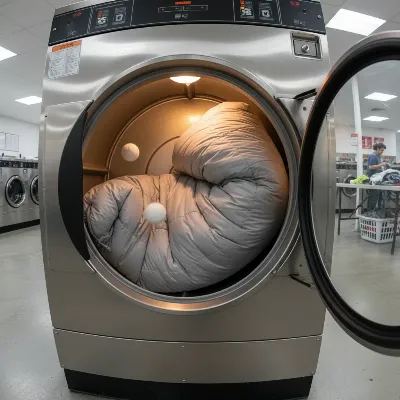 Drying a sleeping bag with tennis balls in a large front-loading dryer.
Tumble Drying with Care
Tumble drying is often the most effective way to dry a sleeping bag, particularly for down, as the gentle agitation helps restore the insulation’s fluffiness.
- Transfer Carefully: Gently transfer the sleeping bag from the washer to a large tumble dryer. A commercial-sized dryer is often best for larger bags.
- Low Heat Setting: Set the dryer to the lowest heat setting possible, or even a “no heat” air-fluff cycle. High heat can damage the fabric or melt synthetic insulation, so avoid it at all costs.
- Add Tennis Balls: Crucially, add 2-3 clean tennis balls or specialized dryer balls to the dryer. These balls will gently agitate the sleeping bag, breaking up wet clumps of insulation (especially down) and helping to restore its loft.
- Be Patient: Drying a sleeping bag can take several hours, sometimes up to a full day for down bags. Check on it periodically, fluffing and repositioning the bag every 30 minutes or so to ensure even drying and to break up any remaining clumps.
- Ensure Complete Dryness: The bag must be completely, absolutely dry before storage. Even a small amount of residual moisture can lead to mold, mildew, and a compromised insulation. Feel for any damp spots or cold areas, which indicate moisture. When you think it’s dry, give it another 30-60 minutes.
Air Drying for Perfection
Even after tumble drying, a period of air drying can ensure every last bit of moisture is gone and help further restore loft.
- Lay Flat or Hang Loosely: Once the bag is mostly dry from the tumble dryer, remove it and lay it flat on a clean, dry surface, or hang it loosely in a well-ventilated area away from direct sunlight.
- Fluff Regularly: Continue to fluff and rotate the bag every few hours, breaking up any remaining clumps of insulation by hand. This helps the fibers regain their full loft.
- Final Check: Before storing, thoroughly inspect the sleeping bag one last time to confirm it is entirely dry. It should feel light, fluffy, and evenly distributed throughout.
When to Avoid DIY Washing (and What to Do Instead)
While machine washing is generally safe, there are instances when you should reconsider the DIY approach. Knowing these limitations can save your sleeping bag from potential damage.
- Top-Loading Agitator Machine: If you only have a top-loading washing machine with a central agitator, do not use it. The agitator can severely damage the bag’s fabric and insulation. Opt for a laundromat with a large front-loader or hand wash.
- Dry Cleaning: Never dry clean your sleeping bag. The chemical solvents used in dry cleaning can strip the natural oils from down insulation and damage synthetic fibers, permanently compromising the bag’s performance.
- Very Large or Delicate Bags: Some extremely large expedition bags or those with very delicate outer fabrics might be better handled by a professional cleaner specializing in outdoor gear. However, be sure they understand how to clean sleeping bags properly without dry cleaning.
- Minor Dirt or Odor: For minor dirt or just a slight odor, spot cleaning or airing out the bag thoroughly might be sufficient without a full wash. Use a damp cloth and mild soap for spot cleaning.
Pro Tips for Sleeping Bag Longevity
Extending the life of your sleeping bag goes beyond just washing it correctly. A few simple habits can significantly improve its durability and performance, ensuring it remains a reliable companion on countless adventures.
- Use a Sleeping Bag Liner: A liner acts as a barrier between you and your sleeping bag, absorbing sweat and body oils. Liners are much easier and quicker to wash than the entire bag, keeping your main bag cleaner for longer.
- Air Out Regularly: After each trip, and even daily during multi-day excursions, air out your sleeping bag. Unzip it completely and lay it out to dry any condensation or moisture before stuffing it back into its sack.
- Store Properly: When not in use, never store your sleeping bag compressed in its stuff sack for long periods. This can damage the insulation. Instead, store it loosely in a large mesh storage sack or a breathable cotton bag (like a pillowcase) in a cool, dry place. Hanging it loosely from its footbox loops is also an option.
- Spot Clean When Possible: For small spills or dirt, try to spot clean rather than washing the entire bag. This reduces wear and tear from frequent washing.
- Wash When Necessary: While frequent washing isn’t recommended, don’t let dirt and grime accumulate. Wash your sleeping bag at least once a year, or more often if it’s heavily used, especially before long-term storage.
“A well-maintained sleeping bag is not just about cleanliness; it’s about preserving the core functionality that keeps you warm and safe in the wild. Proper care extends its life and ensures every adventure is as comfortable as the first.” – A seasoned outdoor gear technician.
Conclusion
Machine washing your sleeping bag at home is a manageable task that can significantly extend its lifespan and maintain its crucial insulating properties. By understanding your bag’s insulation type, using a front-loading machine, the right detergent, and most importantly, dedicating ample time to the drying process with tennis balls, you can safely restore your sleeping bag to its former glory. Remember, patience and adherence to care instructions are your best allies in this process. So, don’t shy away from giving your beloved gear the clean it deserves. Your next night under the stars will thank you for it!
What’s the longest your sleeping bag has gone between washes, and did you notice a difference in its performance?
Câu Hỏi Thường Gặp
Can I use a regular laundry detergent to wash my sleeping bag?
It is strongly recommended to avoid regular laundry detergents, especially for down sleeping bags. Regular detergents can strip the natural oils from down, causing it to lose loft and insulating power. For synthetic bags, they can leave residue that reduces performance. Use a specialized down wash for down bags or a technical cleaner for synthetic bags.
How often should I wash my sleeping bag?
There’s no strict rule, but a general guideline is to wash your sleeping bag at least once a year if you use it regularly. If you go on frequent trips, especially in dusty or humid conditions, or if you sweat a lot, consider washing it every 2-3 outings or before long-term storage.
How do I dry a sleeping bag effectively after washing?
Drying is crucial. Use a large tumble dryer on the lowest heat setting. Add 2-3 clean tennis balls or dryer balls to help break up insulation clumps and restore loft. This process can take several hours, so be patient and ensure the bag is completely dry to prevent mold and mildew.
What should I do if my sleeping bag is too big for my home washing machine?
If your sleeping bag is too large for a standard home front-loading machine, it’s best to take it to a laundromat. Commercial-sized front-loading washers offer the necessary capacity for proper cleaning and rinsing, especially for bulkier items like sleeping bags.
Can I hang my sleeping bag to air dry completely?
While air drying is a good finishing step to ensure complete dryness, it’s generally not recommended as the sole drying method for a wet sleeping bag, especially down. The weight of the water can cause insulation to clump severely and take a very long time to dry, potentially leading to mildew. Tumble drying first with low heat and tennis balls is more efficient and safer for the insulation.
